
Your Tile Roof's Hidden Weakness: Why a Reset is Crucial Before Monsoon Season
Tile roofs are an iconic part of Tucson's landscape, known for their durability and timeless aesthetic. They stand up to the intense sun and look great for decades. But what if we told you that the tiles themselves aren't what’s keeping your home dry? Hidden beneath that beautiful, sturdy exterior lies the most critical component of your roofing system: the underlayment. This waterproof barrier is the true hero, and after years of being sun-baked, it can become your home's biggest vulnerability, especially with monsoon season on the horizon. A tile roof reset is a proactive solution that addresses this hidden weakness, protecting your home from the inside out.
The Unsung Hero: Understanding Your Roof's Underlayment
Think of your roof tiles as a suit of armor. They deflect the majority of rain, debris, and harsh UV rays. However, they aren't completely watertight. Wind-driven rain during a fierce monsoon storm can easily find its way underneath the tiles. That's where the underlayment comes in. It's a layer of material, typically felt or a modern synthetic, that is installed directly on your roof's wooden deck. Its one and only job is to create a completely waterproof shield that directs any moisture safely into your gutters.
Unfortunately, this vital shield doesn't last forever. Here in Southern Arizona, underlayment faces a relentless assault from the heat. The constant, extreme temperature cycles cause the material to expand and contract, while intense UV damage breaks it down, making it brittle and weak. Over 15 to 25 years, it can degrade to the point where it cracks, tears, or even turns to dust, leaving your home vulnerable to leaks that can cause significant and costly damage to your attic, ceilings, and walls.
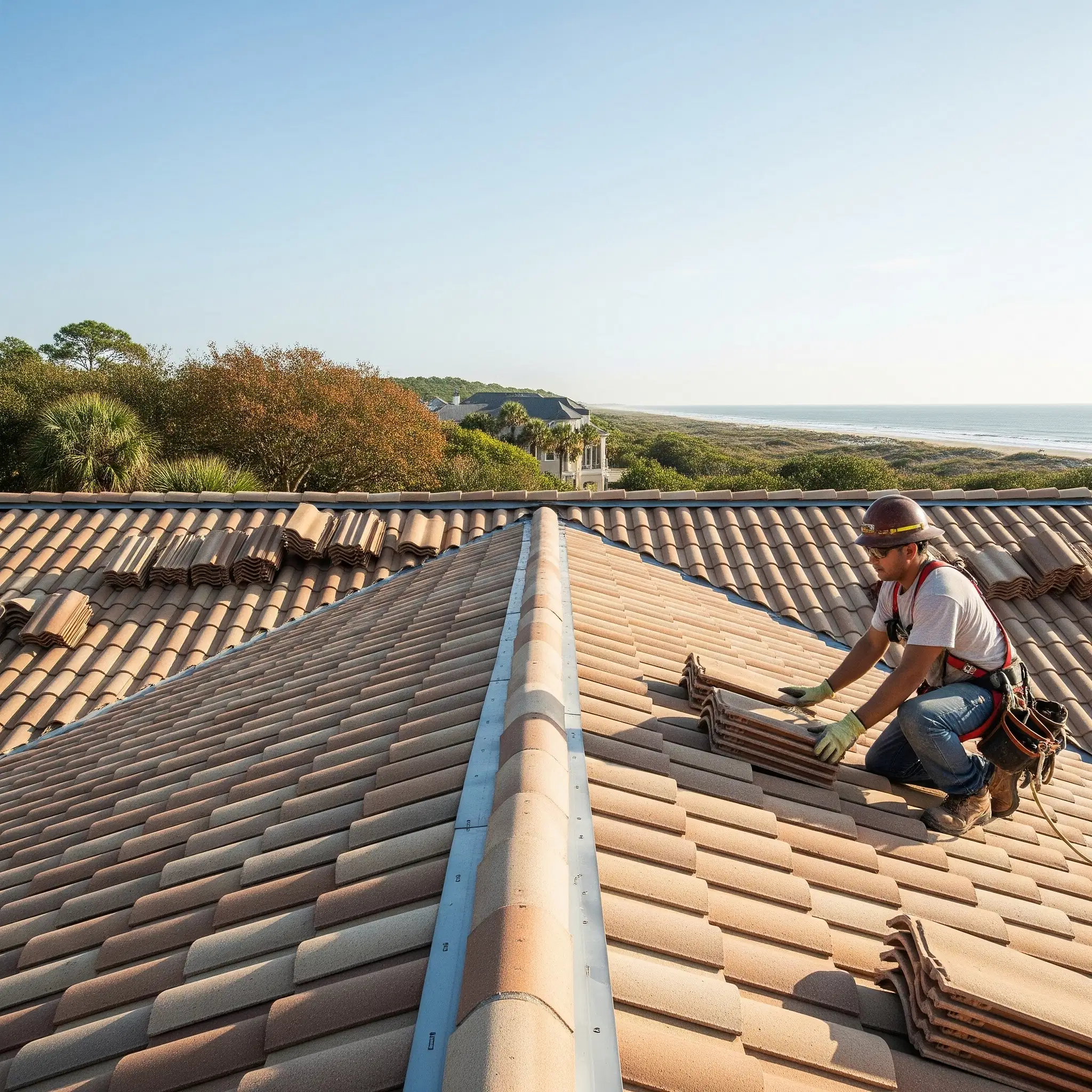
Warning Signs That Your Underlayment is Failing
Because the problem is hidden from view, identifying failing underlayment can be tricky. However, there are several subtle clues that homeowners can look for. If you notice any of these signs, it's a strong indicator that your roof's primary water barrier may be compromised.
- Cracked or Slipping Tiles: As the underlayment deteriorates, the fasteners holding the tiles can become loose, causing tiles to shift, slip, or crack under pressure.
- Debris in Gutters: Have you noticed a black, sandy, or papery substance in your gutters or on the ground around your home? This is often the old, brittle underlayment disintegrating and washing away.
- Interior Leaks: The most obvious sign is a leak inside your home. Water stains on the ceiling, especially after a storm, are a clear signal that your underlayment has failed. Leaks often appear around vents, pipes, and skylights first.
- Age of the Roof: If your tile roof is over 15 years old and has never had maintenance beyond simple repairs, it's highly likely the underlayment is nearing the end of its effective lifespan.
The best way to know for sure is to schedule a professional roof inspection. A trained expert can safely assess the condition of your underlayment without causing damage to your tiles.
What is a Tile Roof Reset? A Long-Term Solution
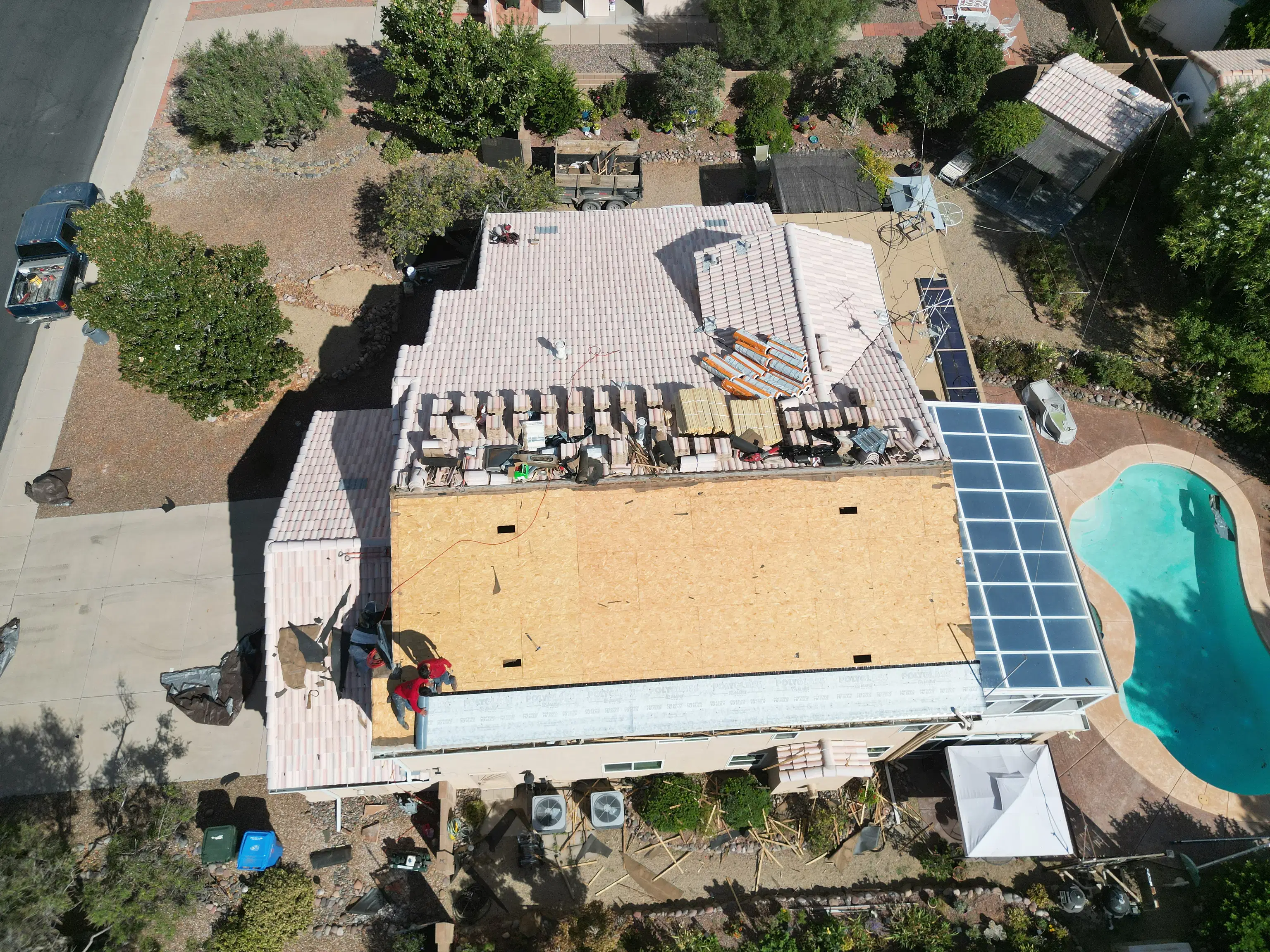
A tile roof reset is a specialized restoration process that replaces the failing underlayment while preserving your existing tiles. It's a cost-effective alternative to a full, and much more expensive, tile roof replacement. The process is meticulous and ensures your roof is ready for decades more service.
Here’s how we do it at SandFlat Roofing:
- Careful Tile Removal: We systematically remove each tile, inspecting them for damage and stacking them carefully to be reinstalled later.
- Underlayment Replacement: The old, worn-out underlayment is completely stripped away, exposing the wooden roof deck. We inspect the deck for any water damage and make necessary repairs.
- New Barrier Installation: We install a brand-new, high-performance synthetic underlayment. We use modern materials specifically designed to withstand Arizona's extreme heat and provide superior water resistance.
- Tile Reinstallation: We reinstall your original tiles in their precise pattern, replacing any that were cracked or broken. The result is a roof that looks the same but has a brand-new, reliable waterproof shield underneath.
This process effectively renews the most critical part of your roofing system, extending its life and ensuring it's prepared for the next monsoon season.
Protect Your Investment Before the Storms Arrive
Waiting for a leak to appear during a monsoon storm is a recipe for stress and expensive emergency repairs. A proactive tile roof reset offers significant benefits and peace of mind.
By addressing the failing underlayment now, you prevent widespread water damage, protect the structural integrity of your home, and preserve the value of your property. Your tiles have a lifespan of 50 years or more, and a tile reset ensures the system supporting them can go the distance. It’s a smart, preventative investment in the long-term health of your home.
Don't let a hidden problem turn into a major disaster. If your tile roof is showing its age, be proactive. Contact SandFlat Roofing today to schedule a thorough roof inspection in the Tucson area. Our team will provide an honest assessment and help you determine if a tile roof reset is the right choice to keep your home safe and dry for many years to come.