
Your Roof vs. the Sun: A Homeowner's Guide to Preventing Sun-Baked Damage
The Arizona sun is a defining feature of life in Tucson, bringing us beautiful sunsets and year-round warmth. But that same relentless sun can be incredibly tough on our homes, especially our roofs. Over time, constant exposure to intense heat and UV radiation can lead to what we call a "sun-baked" roof—one that's brittle, weak, and vulnerable. Protecting your home from this slow but steady deterioration is crucial for its longevity and safety. Understanding the signs of sun damage and knowing the right preventative steps can save you from costly repairs and give you peace of mind. At SandFlat Roofing, we've seen firsthand what the desert climate can do, and we're here to share our expertise on how to keep your roof in top condition.
How the Sun Damages Your Roof
It’s not just the heat; it's the invisible assault of ultraviolet (UV) radiation that causes the most significant problems. This constant UV exposure acts like an accelerated aging process for roofing materials.
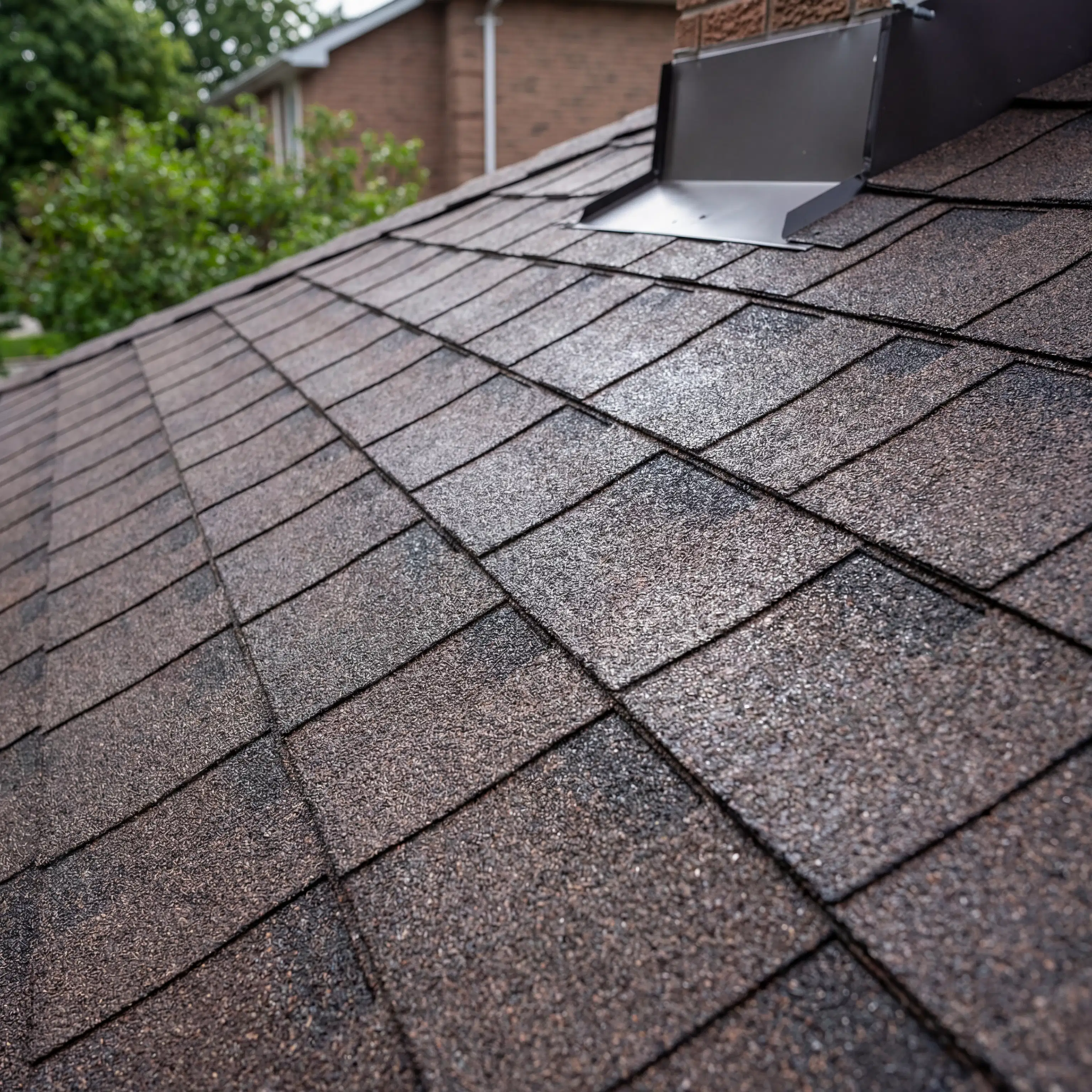
- Asphalt Shingles: The sun's rays break down the petroleum oils in asphalt, causing shingles to dry out, shrink, and become brittle. This leads to cracking and curling at the edges. You might also notice an accumulation of tiny, sand-like granules in your gutters. These granules are a protective layer, and their loss exposes the underlying asphalt to even faster deterioration.
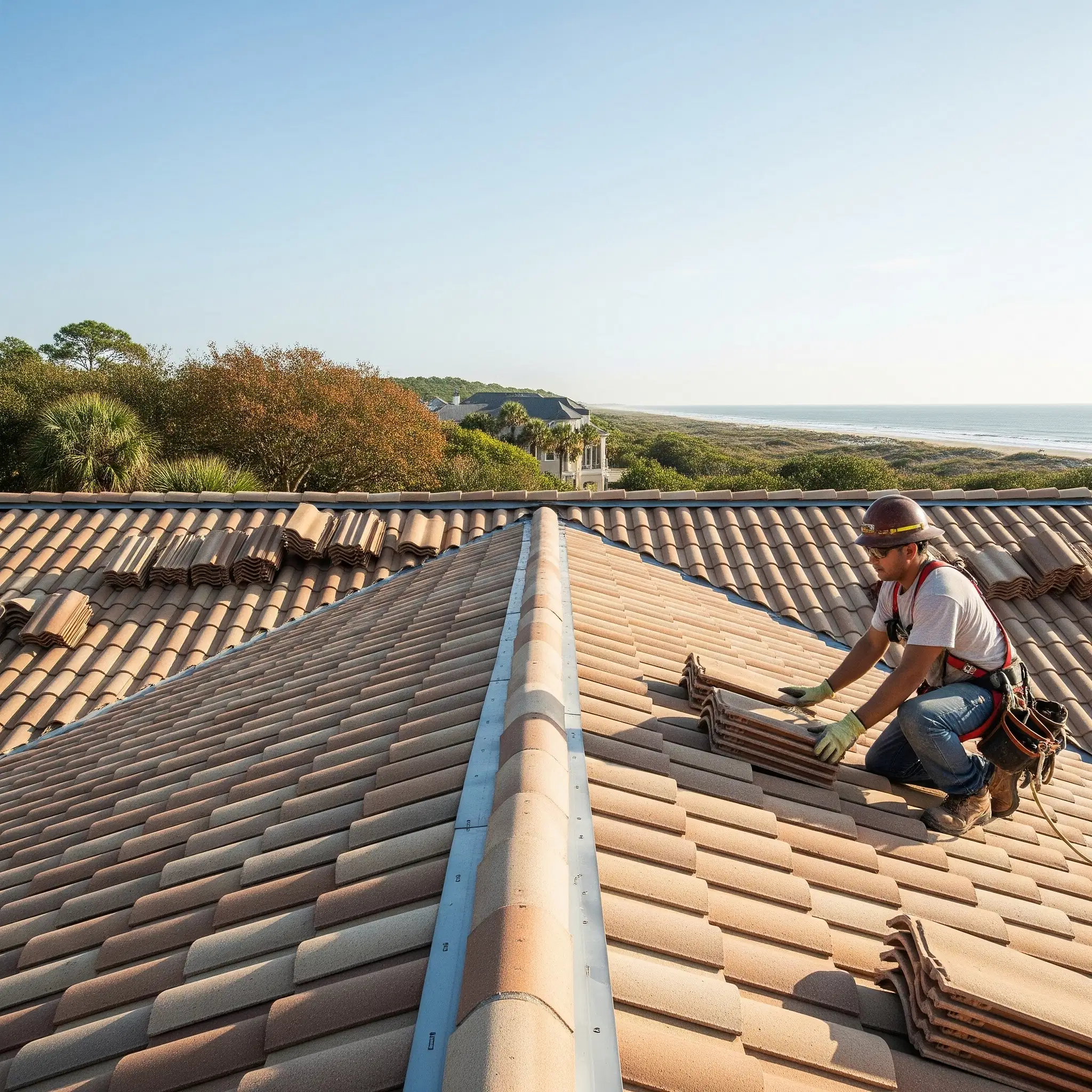
- Tile Roofs: While clay and concrete tiles themselves are very durable, the real vulnerability lies in the underlayment beneath them. This waterproof membrane is your roof's primary defense against leaks. Intense heat can bake the underlayment, making it brittle and prone to cracking, which compromises the entire system long before the tiles show wear.
- Flat Roofs: The coatings on flat roofs can blister, peel, or crack under constant sun exposure. This creates openings for water to seep in, especially during our dramatic monsoon season storms.
This process of UV damage weakens your roof's ability to protect your home, turning a small issue into a major liability.
Key Signs of a Sun-Baked Roof
Catching sun damage early is the best way to prevent extensive problems. Here are a few telltale signs that your roof is feeling the heat:
- Visible Cracks or Curls: Look at the edges of your asphalt shingles. If they are curling up or you see a network of fine cracks, it’s a clear sign of aging and sun damage.
- Fading Color: A roof that looks significantly faded or discolored has been heavily exposed to UV rays, indicating that its protective qualities are diminishing.
- Brittle Materials: If you find pieces of shingle on the ground after a windy day, it means the material has become too brittle to flex. For tile roofs, this brittleness often manifests in the hidden underlayment, which is why a professional roof inspection is so important.
- Increased Energy Bills: A deteriorating roof loses its reflective properties and can’t insulate your home as effectively. If your cooling costs are creeping up, your roof's declining performance could be a contributing factor.
If you notice any of these signs, it's time to consider a professional assessment. A small roof repair today can often prevent a full replacement tomorrow.
Proactive Solutions for a Desert-Ready Roof
Fortunately, you can take steps to protect your investment and extend the life of your roof. The key is a proactive approach that focuses on the entire roofing system, not just what you can see from the street.
- Choose Climate-Appropriate Materials: When it's time for a new roof, select materials designed for high-heat, high-UV environments. Modern reflective shingles, durable tile, and advanced flat roof coatings can significantly reduce heat absorption and resist UV degradation. This not only protects your home but can also lower your energy bills.
- Prioritize the Underlayment: For tile roofs, the quality and installation of the underlayment are paramount. A high-quality synthetic underlayment can withstand extreme temperatures far better than traditional felt paper. A tile roof reset is an excellent service that involves replacing this critical layer to extend the life of your existing tiles.
- Ensure Proper Ventilation: A well-ventilated attic allows trapped, super-heated air to escape. This prevents your roof from essentially cooking from the inside out, which can drastically shorten the lifespan of your shingles and decking.
- Schedule Regular Inspections: The single most effective thing you can do is have your roof professionally inspected every year or two, especially before the monsoon season arrives. An expert can spot subtle signs of sun damage and address them before they escalate into leaks or structural issues.
Our Commitment to Long-Lasting Roofs
At SandFlat Roofing, we understand that a roof in Southern Arizona needs to be more than just a cover; it needs to be a complete system built for resilience. As a second-generation company, we build on a foundation of honesty and accountability. Our experienced crews know exactly how to combat the effects of the desert sun. We focus on using proven materials and installation techniques that ensure your roof—from the ventilation and underlayment to the final shingle or tile—is ready to perform for years to come. We stand behind our work with a 10-year workmanship warranty because we build roofs designed to last.
If you're concerned about your sun-baked roof or want to ensure your home is protected for the long haul, we're here to help. Contact SandFlat Roofing today for a transparent, thorough roof inspection. We provide honest assessments and durable solutions, from targeted repairs to complete asphalt shingle replacements, all tailored to the unique demands of the Tucson climate.