
Why Tile Roof Underlayment Fails First
Living in The Old Pueblo comes with incredible perks, from breathtaking mountain views to vibrant sunsets. But homeowners here also know that our beautiful environment can be incredibly harsh on our homes. If you have a beautiful clay or concrete tile roof, you might assume it is practically invincible. While it is true that those sturdy tiles can withstand decades of exposure, there is a hidden component beneath them that often tells a very different story.
The most critical part of your roofing system isn't actually what you see from the street. It is the protective barrier lying silently beneath those tiles: the underlayment. At Sandflat Roofing, we frequently get calls from homeowners wondering why they have a tile roof leak with no broken tiles. Almost every time, the culprit is deteriorating underlayment.
Let's explore why this hidden layer breaks down faster than the tiles themselves, what causes of tile roof underlayment deterioration you should watch out for, and how you can protect your home before the next severe weather season arrives.
The Hidden Workhorse of Your Roof
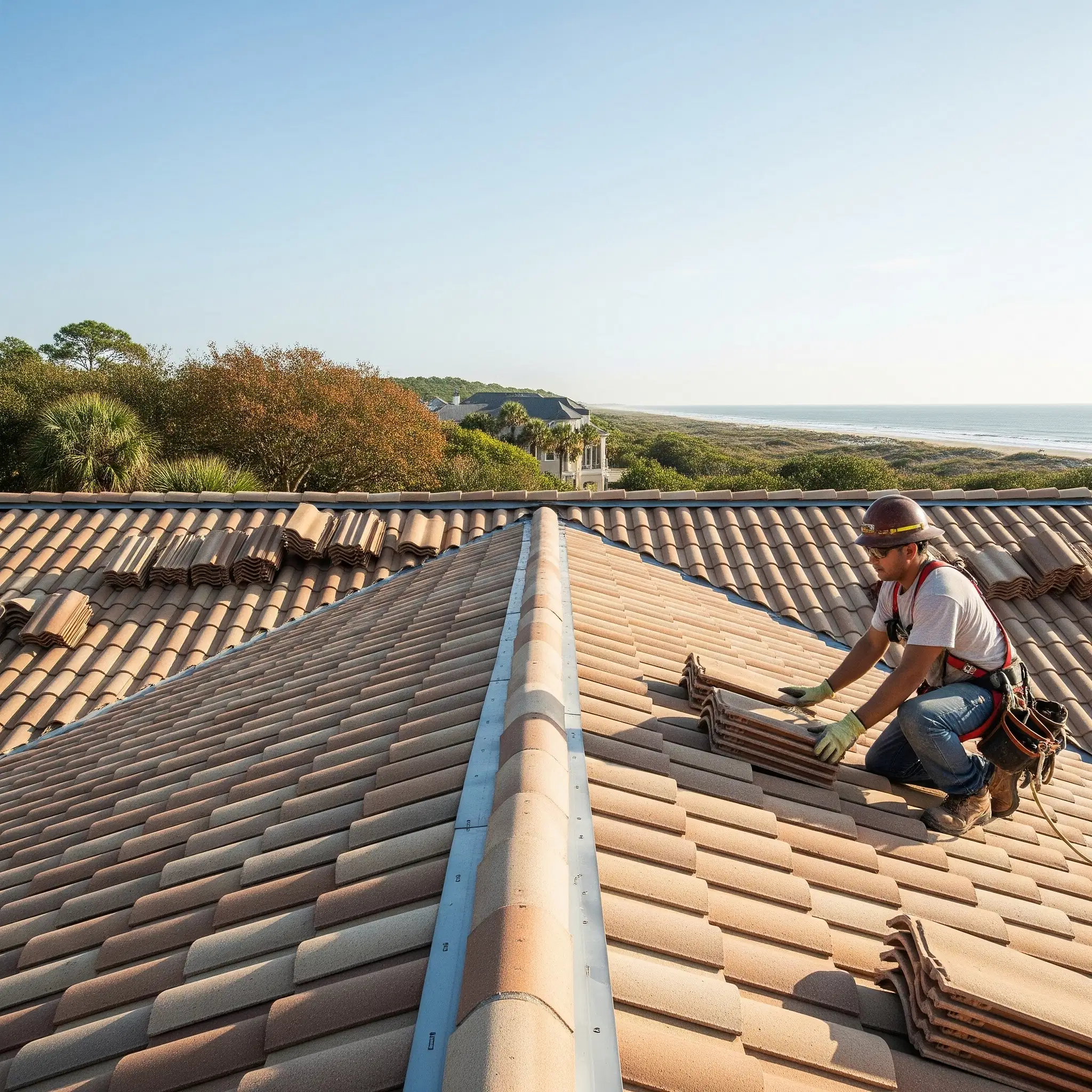
Think of your roof tiles as the armor of your home. They deflect the heavy impacts of hail, shield the structure from harsh UV rays, and give your home that classic Southwestern charm. However, tile roofs are not completely waterproof on their own. Wind-driven rain can easily blow underneath the gaps between the tiles.
That is where the underlayment comes in. This layer of asphalt-saturated felt or modern synthetic material is your roof's true waterproofing barrier. It catches any moisture that slips past the outer tiles and channels it safely down to the gutters or scuppers.
One of the most common questions we hear is: how long does synthetic tile underlayment last, or traditional felt for that matter? While the concrete or clay tiles themselves can easily last 50 years or more, the underlayment beneath them typically has a lifespan of 15 to 25 years in our climate. The exact timeframe depends heavily on the quality of the material used during installation, the amount of ventilation your roof has, and the sheer intensity of the elements it faces.
Surviving the Sonoran Desert Heat and Monsoon Storms
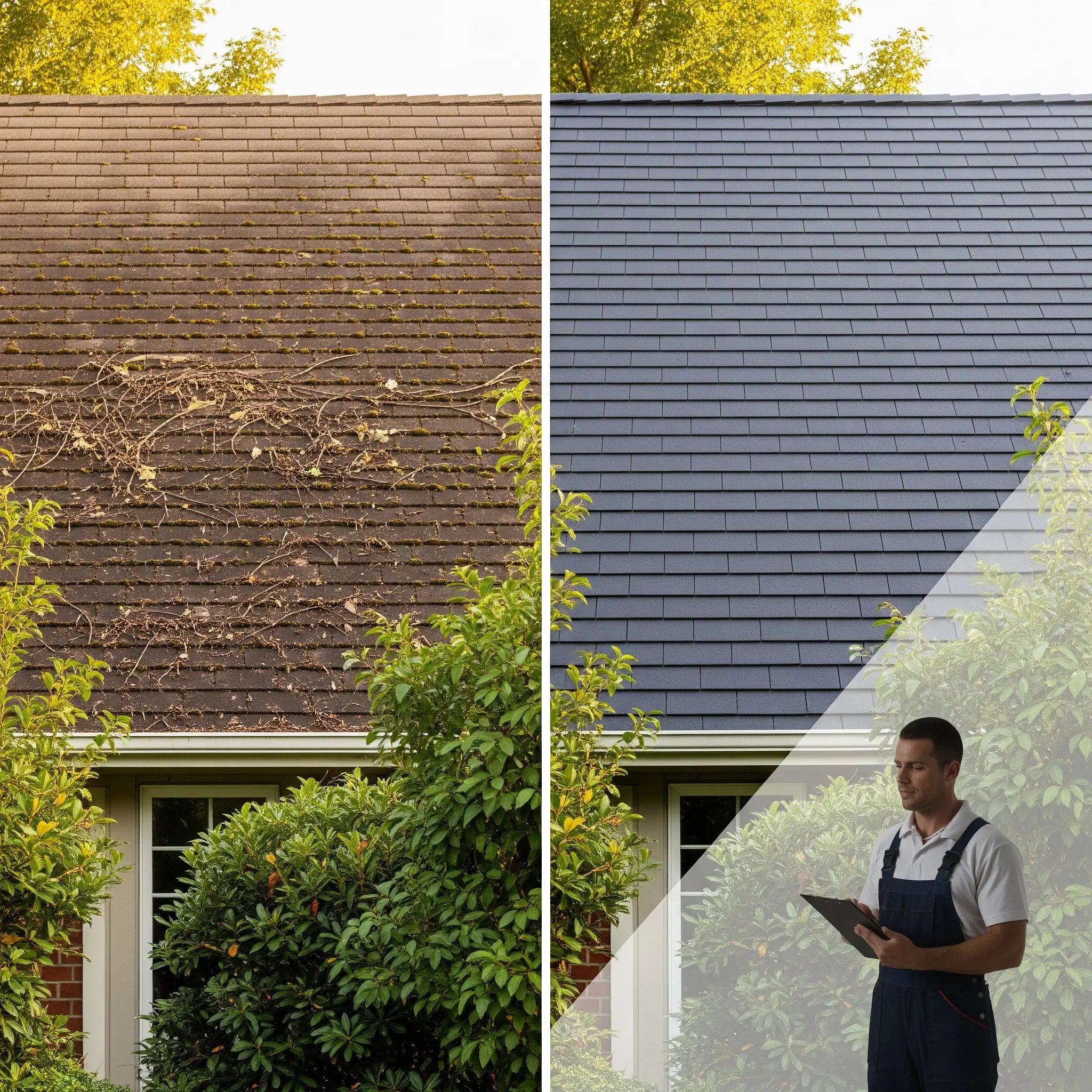
The primary reason underlayment fails first comes down to the extreme environment. The intense Sonoran Desert heat bakes the roof day in and day out. Even though the tiles absorb the brunt of the sun's rays, the ambient heat gets trapped beneath them. Over time, this constant thermal stress causes traditional asphalt-based underlayment to dry out, become brittle, and eventually crack or tear.
Once the underlayment is compromised, your home is highly vulnerable to the unpredictable nature of our summer storms. A sudden microburst during the Monsoon season can easily drive heavy rain up and under the tiles. If the underlayment is cracked from years of heat exposure, that water will seep directly into your roof decking, insulation, and eventually your ceiling.
This is why relying on a quick patch job after a storm is rarely a long-term solution. Today, we utilize modern technologies like drone inspections to safely and accurately map out your roof's condition, helping us spot these underlying issues before they turn into catastrophic leaks inside your living room. We look at the entire roofing system, ensuring that proper ventilation and high-quality materials are working together to combat the extreme summer heat.
Repair, Reset, or Replace?
If you have noticed water stains on your ceiling, you might be asking: should I repair or replace my tile roof if I have leaks? The good news is that because the tiles often outlast the underlayment, a full replacement isn't always necessary.
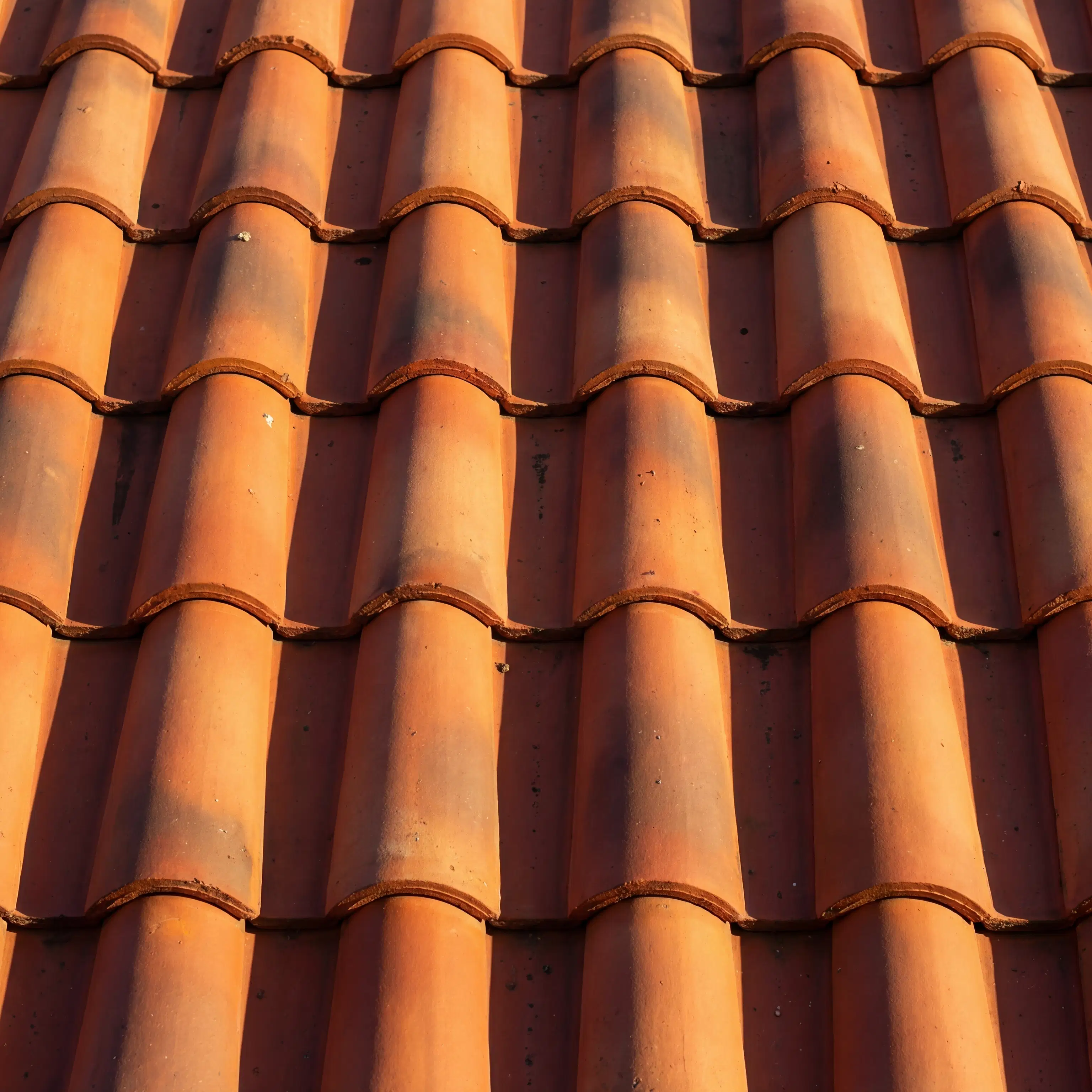
Many homeowners ask, "can you reuse roof tiles when replacing underlayment?" The answer is an absolute yes. This process is known as a Tile Roof Reset. Our skilled crews carefully remove your existing tiles, strip away the old, degraded underlayment, install a brand-new, high-performance waterproof barrier, and then put your original tiles right back into place. It is a highly cost-effective way to extend the life of your roof by decades.
However, if the tiles themselves are severely weathered, cracked, or if the roof decking has sustained major water damage over the years, a complete Tile Roof Replacement might be the most secure investment.
We know that navigating home repairs can be stressful, especially when out-of-state storm chasers flood the market after a heavy rain, offering quick fixes that don't last. As a second-generation local company, Sandflat Roofing believes in doing the job right. We provide comprehensive photo documentation of your roof's condition so you can see exactly what we see. We also stand firmly behind our work with a 10-year workmanship warranty on full replacements, ensuring your peace of mind long after we leave the job site.
Don't wait for the next severe storm to test the hidden limits of your underlayment. If your home is approaching the 15 or 20-year mark, reach out to Sandflat Roofing for a thorough roof inspection. Visit our contact page today to schedule a transparent, honest evaluation of your Tucson home.