
That Wall of Dust: How to Protect Your Tucson Roof from Haboobs
Anyone who has lived in the Tucson area for a while knows the sight: a towering wall of brown dust rolling across the desert, transforming a sunny afternoon into an otherworldly twilight. A haboob is a dramatic and powerful display of nature. While they make for incredible photos, these intense dust storms can be tough on our homes, especially on the first line of defense: the roof. The fine, abrasive sand and debris carried by fierce winds can cause more than just a mess; they can lead to significant wear and tear, clogged drainage, and even water damage. Understanding how to protect your roof from the unique challenges of a haboob is essential for any Southern Arizona homeowner looking to safeguard their investment.
More Than Just Dust: The Abrasive Power of a Haboob
A haboob isn't just a cloud of dirt; it's a high-velocity storm carrying sand and grit that acts like sandpaper against your roof's surface. Over time, this constant abrasion can wear down protective layers, whether you have shingles, tiles, or a flat roof system.
- For Asphalt Shingles: The wind can lift shingle edges, while the sand scours away the protective granules. These granules are crucial for reflecting UV rays and protecting the asphalt underneath from our intense sun. Once they're gone, the shingle becomes brittle and prone to cracking.
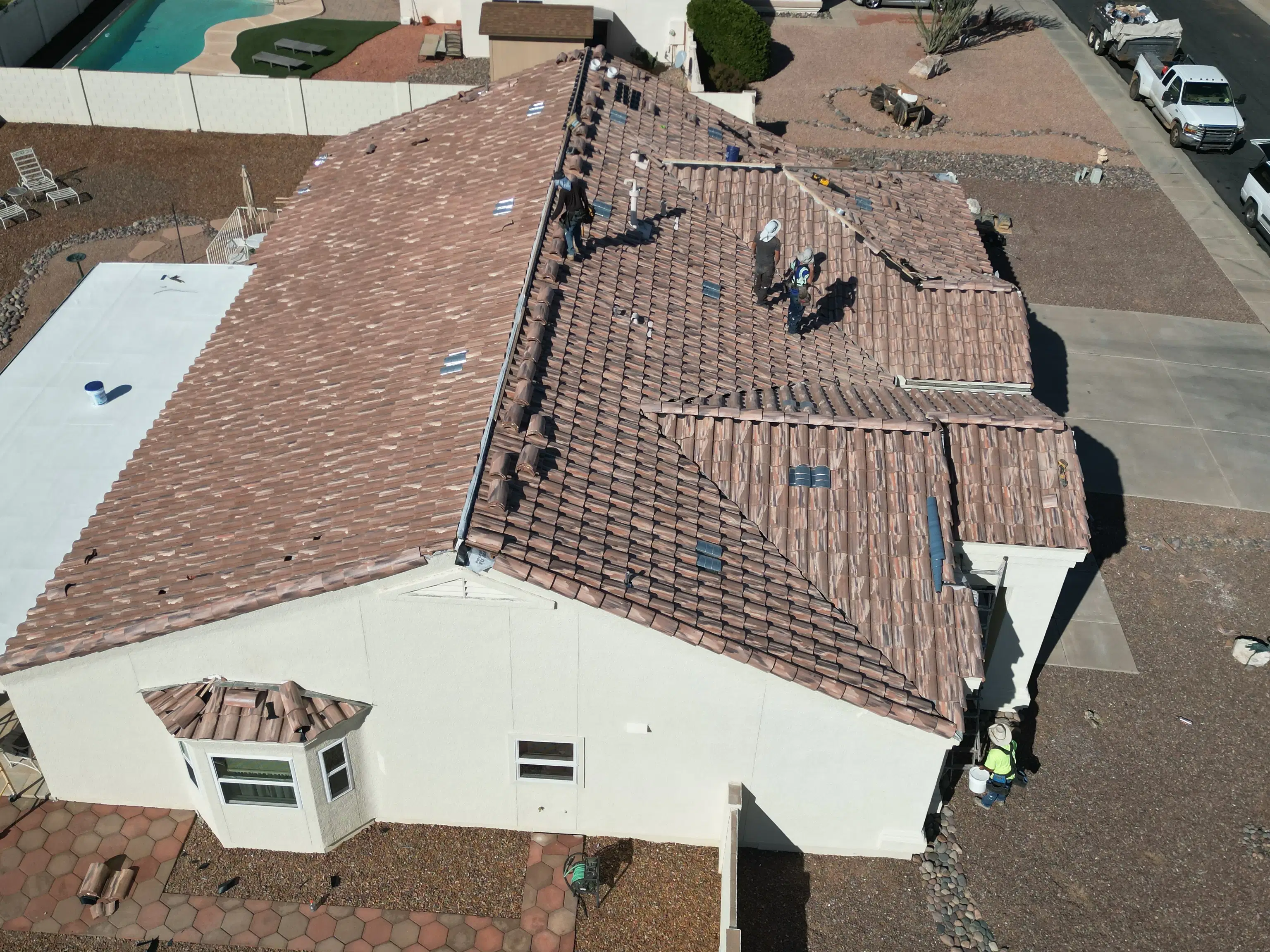
- For Tile Roofs: While durable, the high winds accompanying a haboob can loosen or shift tiles, especially if they weren't perfectly installed. The dust can also settle in the gaps, trapping moisture and accelerating the deterioration of the underlayment—the critical waterproof barrier beneath the tiles.
- For Flat Roofs: The abrasive dust can slowly degrade protective coatings. More importantly, the sheer volume of dust and debris can accumulate, adding weight and, as we'll see, creating major drainage problems. A roof that is already sun-baked and weakened by years of UV damage is particularly vulnerable to this abrasive force.
The Hidden Danger: Clogged Drains and Monsoon Rains
The most immediate problem after a haboob is often not the visible wear, but the hidden danger of clogged drainage systems. The fine dust, mixed with leaves and other debris, settles in your gutters, scuppers, and canales. When the first drops of the monsoon season begin to fall, this dry dust turns into a thick, heavy sludge that blocks water from escaping your roof.
This is where the real trouble starts. Water that can't drain properly will pool on your roof. On a flat roof, this standing water puts immense stress on the structure and will find any tiny crack or weak seam to penetrate, leading to leaks. For sloped roofs, clogged gutters cause water to overflow, potentially seeping under the eaves and into your walls or foundation. A comprehensive roofing system, designed with proper drainage in mind, is essential to withstand this one-two punch of haboob dust followed by monsoon rain.
Proactive Steps to a Haboob-Ready Roof
Protecting your home isn't about stopping the storm, but about preparing for it. A well-maintained roof can handle what our desert climate throws at it. Here are the most effective steps you can take:
-
Schedule Regular Inspections: The best way to prevent major issues is to catch them early. A professional roof inspection before and after the monsoon season can identify vulnerabilities like loose tiles, worn-out coatings, or early signs of drainage problems. Using technology like drones, an expert can safely and accurately assess your roof's condition.
-
Keep It Clean: After a major dust storm, it's crucial to have your roof and gutters cleared of accumulated debris. This ensures that when the rains come, your drainage system can do its job effectively, preventing water from pooling and causing damage.
-
Reinforce Your Defenses: Depending on your roof type, specific services can dramatically improve its resilience. For flat roofs, a high-quality flat roof coating provides a seamless, reflective, and durable barrier against both abrasion and UV damage. For tile roofs showing their age, a tile roof reset involves removing the tiles, replacing the underlayment, and properly reinstalling the tiles to ensure maximum integrity against wind and water.
When to Call for a Professional Roof Repair
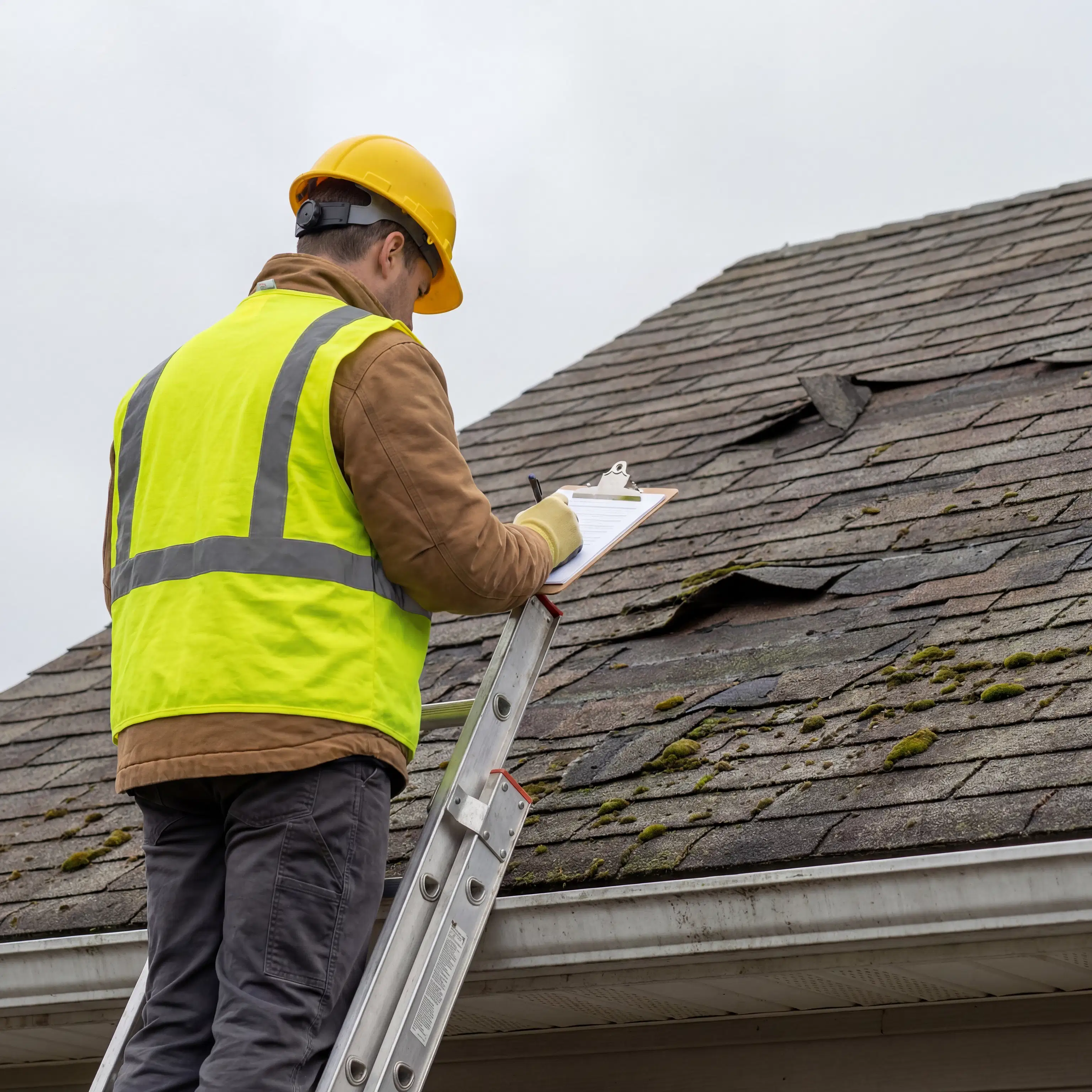
While routine cleaning is important, some issues require an expert eye. It's time to call a professional if you notice any of these signs after a storm:
- Gutters or scuppers that remain clogged even after you've tried to clear them.
- Visible water stains on your interior ceilings or walls.
- Patches of missing granules or curled edges on your shingles.
- Cracked, chipped, or missing roof tiles.
- Pooling water on your flat roof that doesn't evaporate within 48 hours.
Ignoring these small warning signs can lead to much more extensive and costly damage down the road. A timely roof repair can address the immediate issue and prevent long-term problems like wood rot or mold.
Don't Let Dust Storms Damage Your Peace of Mind
Haboobs are a fact of life here in the Sonoran Desert, but roof problems don't have to be. By understanding the risks and taking proactive steps to maintain your roof's drainage and protective surfaces, you can ensure your home remains safe and secure through every season.
If you're concerned about the condition of your roof or want to prepare it for the next big storm, the team at Sandflat Roofing is here to help. We specialize in solutions built for the Tucson climate. Contact us today to schedule a comprehensive inspection and get the peace of mind you deserve.