
Preserving Tucson's Charm: A Guide to Roofing with Vigas and Latillas
Tucson's architectural landscape is a stunning tapestry of history and culture, with many homes showcasing the iconic Southwestern style. Central to this aesthetic are the beautiful, exposed wooden beams known as vigas and the smaller poles, or latillas, laid across them. These elements are more than just structural; they are the soul of a home, connecting it to a rich heritage. However, their unique construction presents specific challenges, especially when it comes to protecting your home from the intense desert sun and powerful monsoon season. For homeowners in Tucson, maintaining the integrity of a roof with these historic features requires specialized knowledge and a delicate touch. This guide will walk you through the common issues these roofs face and the proper approach to restoring and protecting them for generations to come.
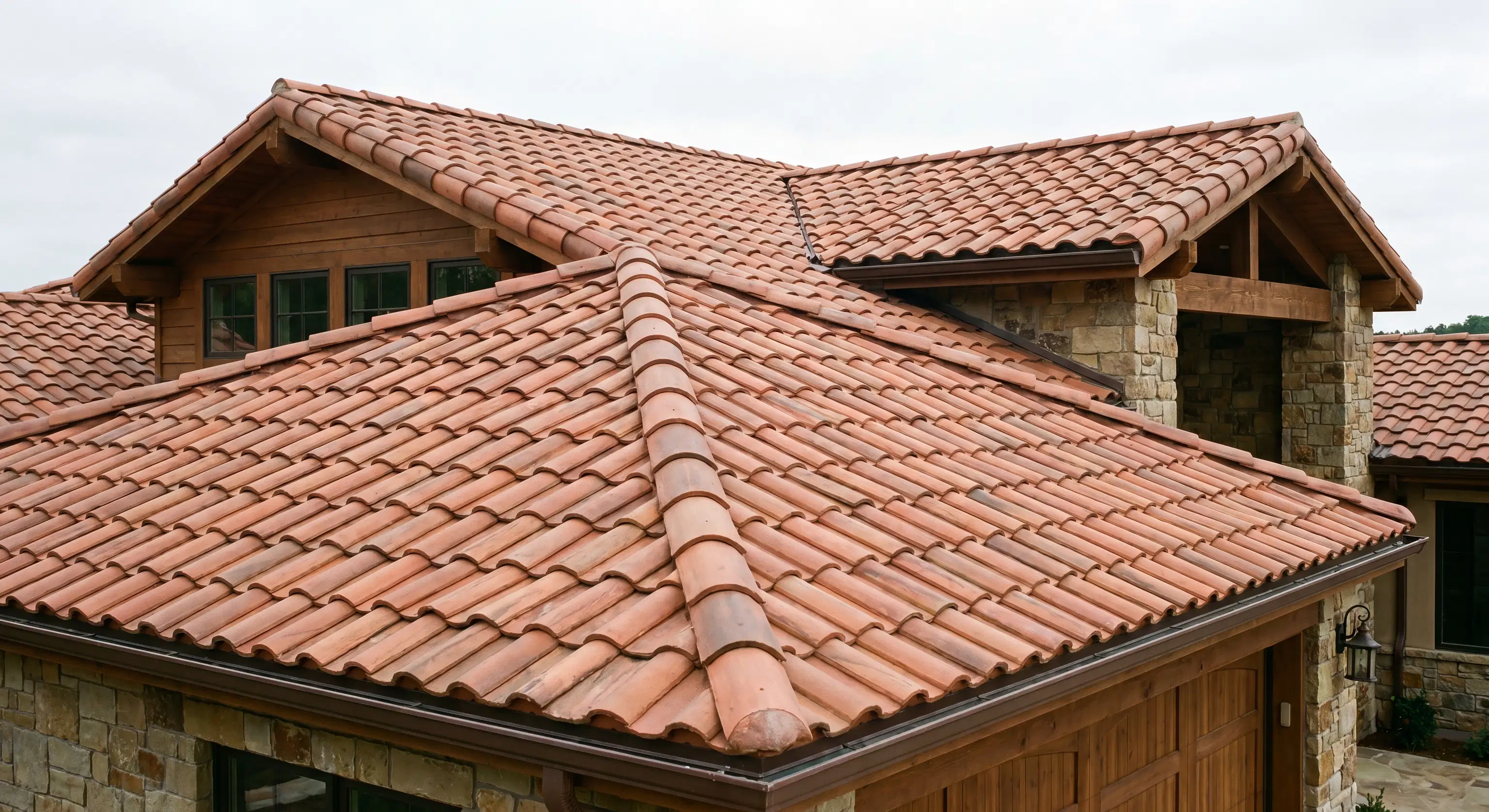
Understanding the Role of Vigas and Latillas
In traditional Southwestern architecture, vigas are the primary support beams for the roof, often extending through the exterior walls to create a distinctive visual feature. Latillas are then laid across the vigas in various patterns to form the ceiling deck, upon which the rest of the roofing system is built. This combination creates a beautiful, rustic interior ceiling and a character-rich exterior.
While incredibly durable, this wood-based system is vulnerable to the Sonoran Desert's harsh climate. The constant exposure to intense UV rays can cause the wood to become sun-baked, leading to drying, cracking, and splitting. Furthermore, the torrential downpours of our monsoon season can exploit any small weakness, leading to water intrusion that, if left unchecked, can cause rot and compromise the structural integrity of your roof.
Common Issues and Signs of Trouble
Protecting a home with vigas and latillas starts with knowing what to look for. Because these elements are integral to your roof's structure, early detection of problems is key to preventing costly and complex damage. A professional roof inspection is the best way to get a comprehensive assessment, but here are some signs you can watch for yourself:
- Visible Cracking or Splitting: Check the ends of the exposed vigas for deep cracks or splits. While some minor checking is normal as wood ages, large fissures can allow water to penetrate deep into the beam.
- Water Stains: Look for discoloration on the interior ceiling around the vigas and latillas, or on the exterior walls where the vigas emerge. This is a classic sign of a leak that needs immediate attention.
- Soft or Spongy Wood: Carefully probe any suspect areas on the vigas with a screwdriver. If the wood feels soft or gives way easily, it could be a sign of wood rot.
- Peeling or Flaking Sealant: The points where vigas exit the wall are critical areas for sealing. If the sealant is old, cracked, or peeling away, it creates a direct path for water to enter your walls and roof structure.
- Damaged Roofing Material Above: Issues with the tile or flat roof material above the deck can lead to water seeping down to the latillas and vigas. Look for cracked tiles, failing underlayment, or ponding water.
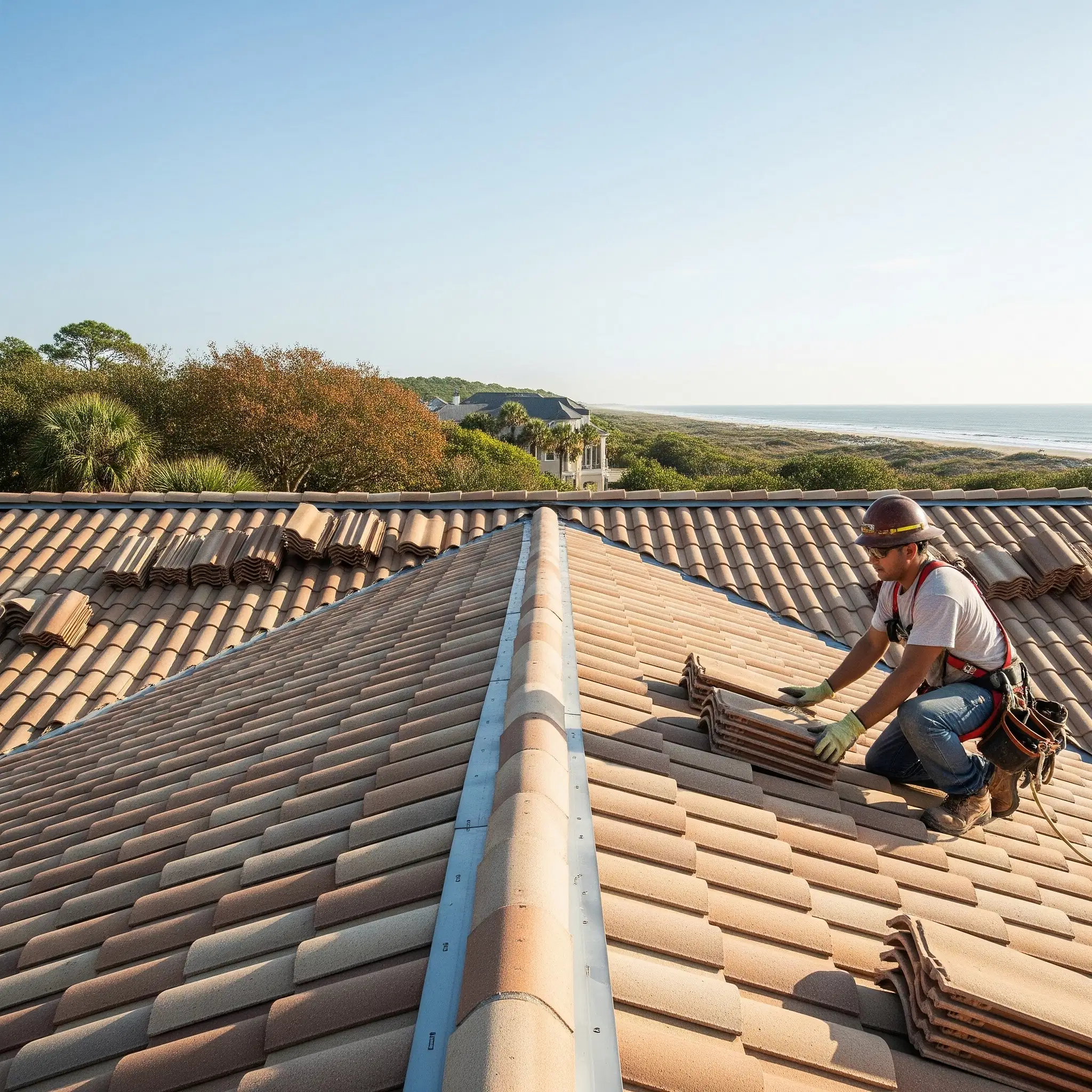
The Right Approach to Restoration and Repair
Restoring a roof with vigas and latillas is not a standard roofing job. It requires a craftsman's approach that blends traditional techniques with modern, high-performance materials to ensure long-term durability without sacrificing historical accuracy.
Our process at Sandflat Roofing is built on a comprehensive system-wide philosophy. We don't just patch a problem; we diagnose the root cause to provide a lasting solution. This often involves:
- Detailed Assessment: We begin with a thorough inspection to understand the condition of the vigas, latillas, decking, and the overlying roofing materials. We identify areas of decay, damage, and potential future failure.
- Specialized Wood Repair: When possible, we focus on roof repair and restoration rather than full replacement of historic wood. This can involve using specialized epoxies and consolidants to strengthen and seal damaged vigas, preserving the original character of your home.
- Modern Protection: The key to longevity is what's on top. We ensure the upper roofing system is flawless. This might mean performing a tile roof reset to replace the underlayment with a modern, high-temperature waterproof barrier, or a full tile roof replacement if the existing tiles are beyond their service life. Proper flashing and sealing around every penetration are absolutely critical.
- Respect for Aesthetics: We understand that the look of your home is paramount. All repairs and replacements are done with careful attention to matching the original architectural style, ensuring the finished product is both beautiful and highly functional.
Trust Your Historic Home to a Knowledgeable Partner
Your historic Tucson home is a significant investment and a piece of local heritage. When it comes to its roof, you can't afford to take chances with a one-size-fits-all approach. It takes a team with a deep understanding of traditional building methods and the challenges of our unique climate to do the job right.
At Sandflat Roofing, we pride ourselves on our meticulous craftsmanship and our commitment to preserving the architectural integrity of the homes we work on. We back our full roof replacements with a 10-year workmanship warranty because we are confident in our process and our materials. We believe in transparent communication, honest recommendations, and building long-term relationships with our clients.
If you have concerns about the vigas, latillas, or the overall health of your historic roof, contact us today. Let our team provide a detailed inspection and a clear plan to protect and preserve the unique charm of your Tucson home.