
Navigating HOA Guidelines for Desert Roof Replacements
Living in a planned community comes with distinct advantages, from beautifully maintained neighborhood amenities to protected property values. However, when the time comes to upgrade your home's exterior, homeowners often find themselves facing a complex web of rules and architectural standards. If you live in Tucson, you already know that replacing a roof isn't just about picking a color you like; it is about finding a solution that can withstand the intense Sonoran Desert heat, survive the unpredictable summer monsoon season, and perfectly align with your neighborhood's strict architectural guidelines.
Getting HOA approval for tile roof replacement or any major exterior renovation can initially feel daunting. The paperwork, the color swatches, and the committee meetings are enough to make anyone procrastinate. But delaying necessary maintenance, especially when your underlayment is aging or you've noticed interior leaks, can lead to catastrophic damage during our next major storm. The key to a stress-free project is understanding your homeowner association's expectations from the very beginning and partnering with a roofing contractor who knows exactly how to navigate this process.
Understanding Your HOA's Architectural Standards
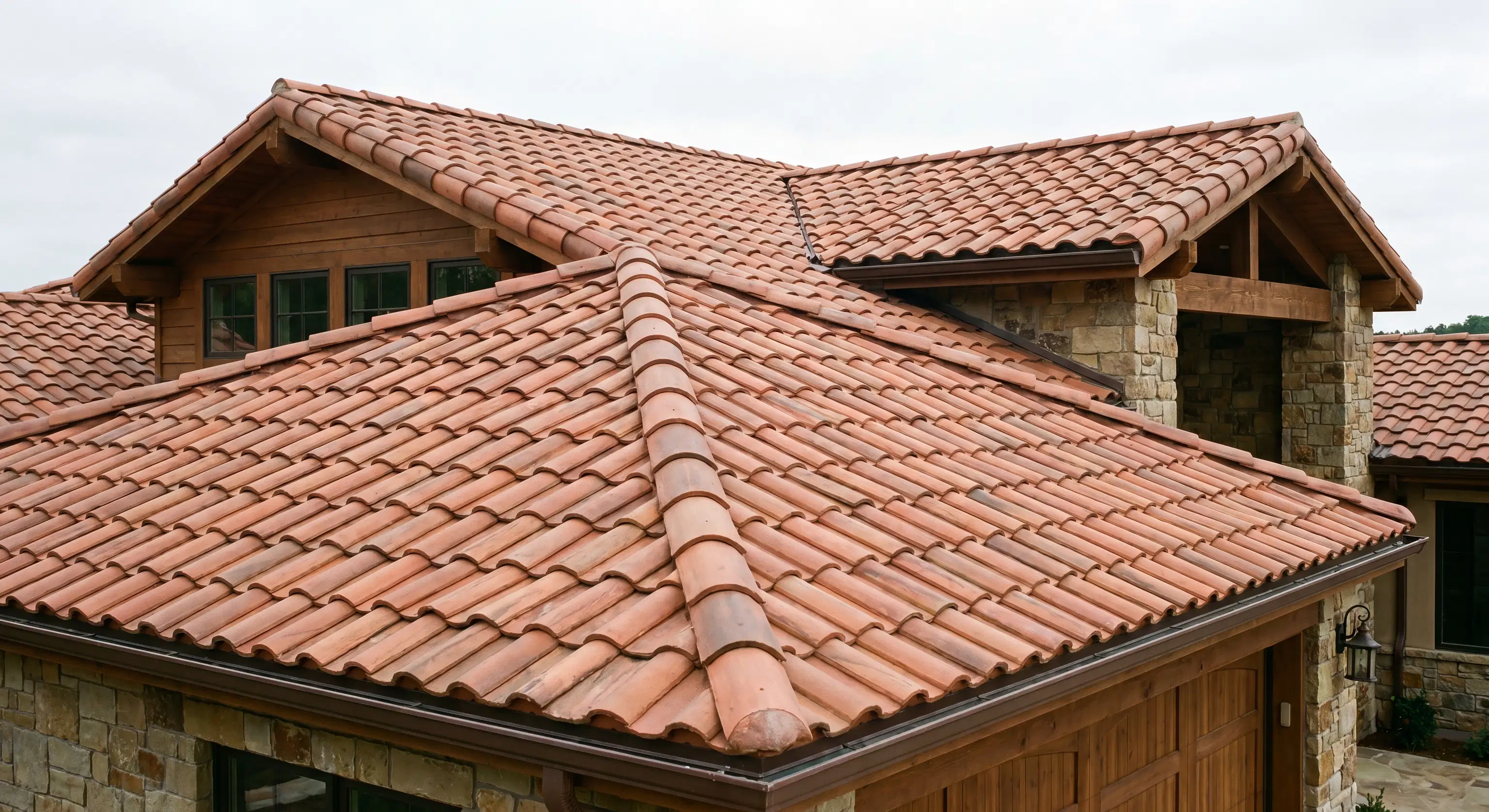
Most homeowners associations in our area have an Architectural Review Committee (ARC) responsible for maintaining the visual harmony of the neighborhood. Their primary goal is to ensure that any exterior modifications, including roof replacements, blend seamlessly with the established aesthetic—often heavily influenced by earthy tones, mission styles, and natural desert palettes.
When submitting roof repair plans to a homeowners association, you will typically need to provide a comprehensive package. This usually includes the specific brand, style, and color of the proposed roofing material, physical samples for the committee to review, and detailed information about your chosen contractor. Associations want to verify that you are working with a legitimate professional. They will almost always require proof that your roofer is fully licensed, bonded, and insured, maintaining strict compliance with the Arizona Registrar of Contractors (ROC).
Failing to secure approval before beginning work can result in hefty fines or, worse, a mandate to tear off the brand-new roof and start over. To avoid these costly mistakes, always request the most recent copy of your community's Covenants, Conditions, and Restrictions (CC&Rs) before gathering estimates. Knowing exactly what is allowed will save you time and help you narrow down your choices right out of the gate.
Choosing Approved, Heat-Resistant Materials
One of the most common questions we hear is regarding the best roofing material for the extreme summer heat that also meets HOA requirements. The good news is that the materials most frequently mandated by local associations are also remarkably well-suited for our climate.
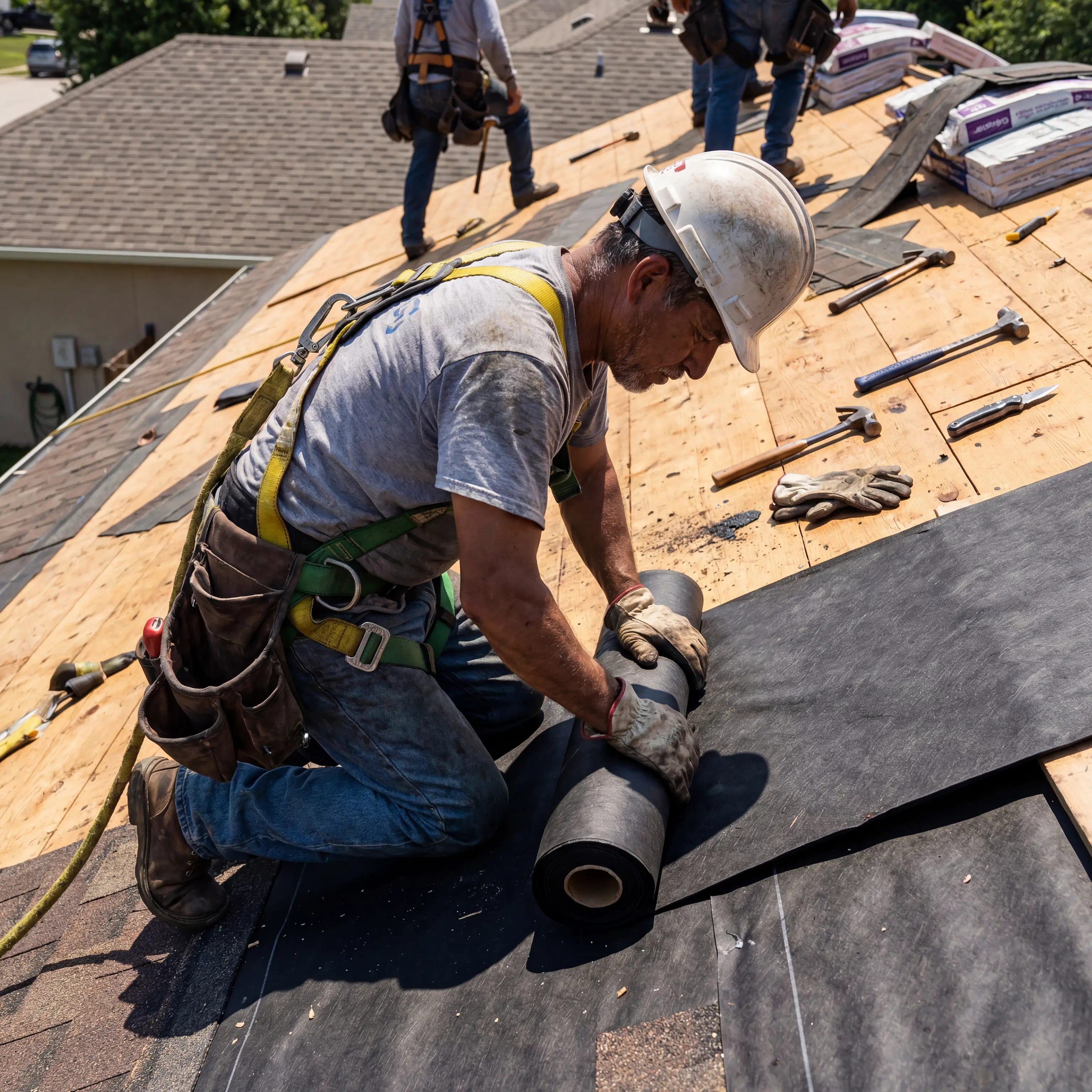
Concrete and clay tiles are standard in many upscale neighborhoods, such as those in the Catalina Foothills or Oro Valley. They offer incredible durability and natural thermal resistance, keeping the sun's radiant heat away from your attic space. If your community requires this aesthetic, a professional tile roof replacement is a fantastic long-term investment. Modern tiles come in a variety of HOA-friendly earth tones that resist fading under intense UV exposure.
In other communities, dimensional shingles are the standard. When looking into an asphalt shingle roof replacement, it is vital to choose high-quality architectural shingles designed for high heat and severe weather. We prioritize materials that not only meet stringent architectural guidelines but also provide excellent wind resistance—a crucial feature when a sudden microburst rolls through your neighborhood. We can help you select colors that satisfy the committee while maximizing energy efficiency.
The Reset Option: Bypassing Major Design Changes
What happens if your existing roof looks perfectly fine from the street, but you are experiencing leaks? In Arizona, the top layer of roofing material often outlasts the waterproof underlayment beneath it. The felt paper or synthetic barrier degrades over time due to the constant baking heat, eventually leaving your home vulnerable to monsoon moisture.
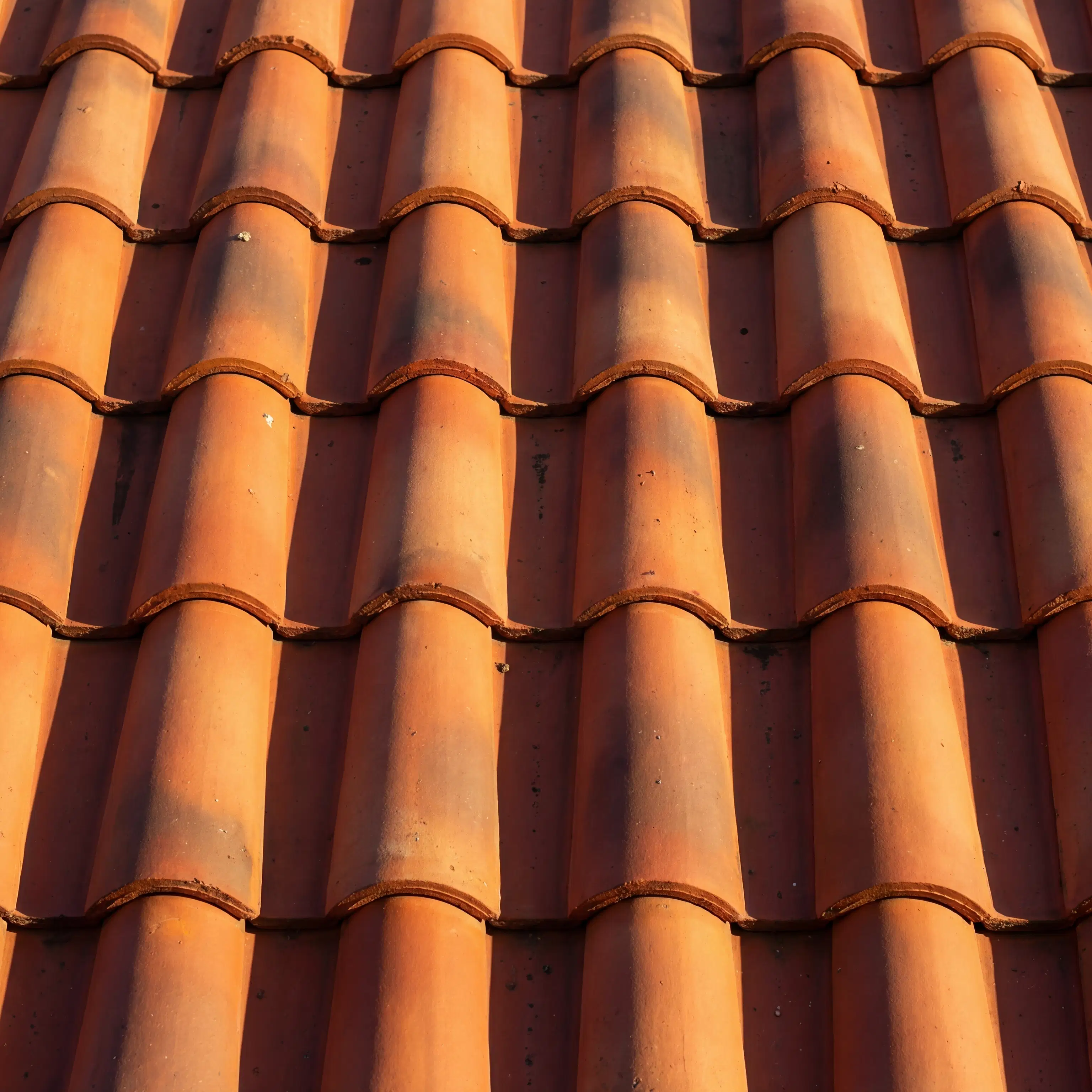
If your community has incredibly strict guidelines regarding aesthetic changes, or if your current tiles are historically significant or hard to match, you might not need a full replacement at all. A tile roof reset is often the most practical solution. During this process, we carefully remove your existing tiles, completely replace the worn-out underlayment and flashing with modern, high-performance materials, and then reinstall your original tiles.
Because the exterior appearance of your home remains completely unchanged, navigating HOA restrictions for residential roofing becomes significantly easier with a reset. It is a highly effective way to restore the watertight integrity of your home, prepare for storm season, and maintain the exact look your association originally approved.
Partnering with the Right Local Experts
Successfully managing a roofing project within a governed community requires clear communication, meticulous documentation, and a commitment to doing the job right the first time. You need a contractor who understands local building codes, provides transparent proposals with detailed photos, and leaves the job site impeccably clean at the end of every day so you don't receive complaints from your neighbors.
At Sandflat Roofing, we pride ourselves on building lasting relationships with Tucson homeowners. We know that transparency is critical, which is why we provide thorough documentation to help you breeze through the ARC approval process. Furthermore, we back our full replacement installations with a solid 10-year workmanship warranty, giving you and your association complete peace of mind for the long haul.
If you are ready to upgrade your home and need guidance on selecting the right HOA-approved materials for our desert environment, contact us today. We will gladly help you review your options, inspect your current system, and put together a comprehensive plan that protects your investment.