
Keeping Your Home Cool: The Ultimate Flat Roof Recoating Schedule for Desert Homes
Living in the Southwest offers a beautiful, unique lifestyle, but it also introduces specific challenges for maintaining a property. Here in Tucson, the sun is a relentless force, and our homes take the brunt of that intense solar radiation day after day. If your house features a traditional flat roof, you likely already know that proactive maintenance isn't just an optional chore—it is absolutely essential for protecting your investment, preventing catastrophic water damage, and keeping your indoor living spaces comfortable.
Navigating the extreme Sonoran Desert heat requires materials specifically designed to reflect UV rays and withstand massive temperature fluctuations. But even the best materials don't last forever without care. Understanding exactly when and how to maintain your home's exterior defenses can save you thousands of dollars in premature replacement costs and lower your monthly cooling bills significantly. In this guide, we are going to explore everything you need to know about keeping your home protected, from identifying early warning signs of wear to establishing a reliable maintenance routine.
The Science and Strategy of Elastomeric Coating
Flat roofs are a staple of our regional architecture, perfectly complementing the aesthetic of the desert. However, flat does not actually mean perfectly level; these systems rely on a slight slope and strategically placed drainage points to shed water. Because water moves slower on these surfaces than on steeply pitched alternatives, the top layer of protection must be completely seamless and watertight.
This is where an elastomeric coating comes into play. Think of this specialized coating as a heavy-duty, highly reflective sunscreen for your house. Applied as a liquid, it dries into a thick, rubberized membrane that expands and contracts with the daily temperature shifts of the desert.
Beyond simply waterproofing, a fresh, bright white coating reflects a massive portion of the sun's radiant heat away from your living space. When applied correctly, this directly addresses the common pain point of soaring summer utility bills. However, as it continuously battles UV degradation, the coating eventually begins to thin and lose its elasticity. Knowing your recoating schedule for flat residential roofs is the secret to avoiding emergency interior leaks.
How Often to Apply Elastomeric Roof Coating
One of the most common questions homeowners ask is exactly how long they can wait between applications. While the general rule of thumb suggests scheduling a fresh application every three to five years, the reality is that the exact timeline depends heavily on the quality of the previous application, the specific products used, and how much direct sun exposure your property receives.
Instead of relying purely on a calendar, it is much safer to look for the physical signs flat roof coating needs recoating. Here is what you should be monitoring:
- Chalking: When you run your hand along the surface, does it leave a powdery, white residue on your skin? This indicates that the sun has begun to break down the chemical bonds of the protective layer.
- Alligatoring and Cracking: Look closely for small, interconnected cracks that resemble the skin of a reptile. This means the material has lost its elasticity and is no longer expanding and contracting safely.
- Peeling: If sections of the membrane are lifting away from the underlying surface, water can easily become trapped underneath, leading to rapid deterioration.
- Ponding Water: If you notice water sitting in puddles for more than 48 hours after a rainstorm, your drainage may be compromised, and the sitting water will eat away at the protective layer much faster than normal.
The Crucial Role of Preparation and Inspection
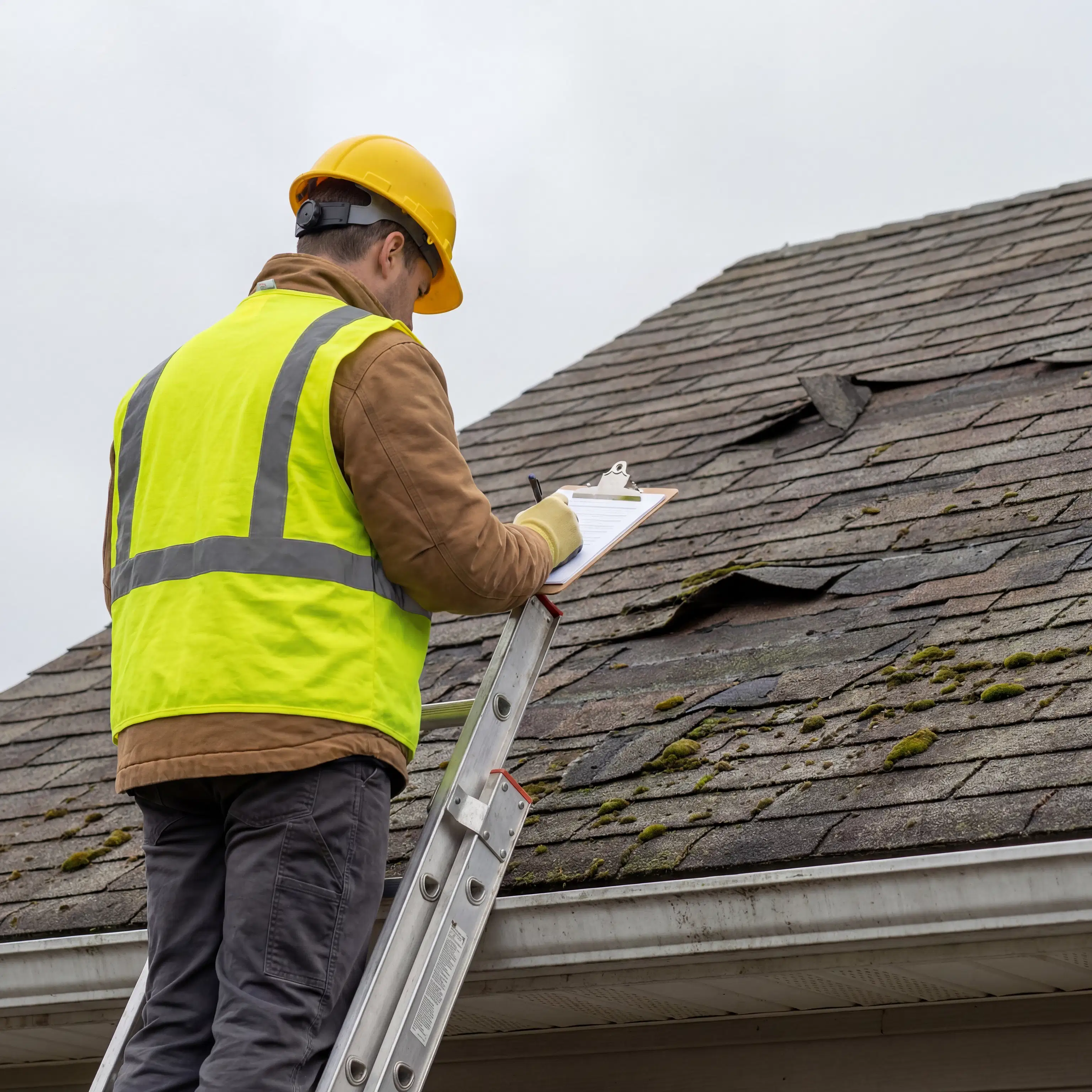
You cannot simply paint over a failing system and expect good results. Proper adhesion requires a meticulously clean and prepared surface. This is why a comprehensive roof inspection is always the first step.
Modern inspections often utilize drone technology and detailed photographic documentation to safely and accurately assess every square inch of the surface. A thorough evaluation will check the integrity of your parapet walls and ensure that all scuppers are completely clear of debris. These drainage outlets are vital; if a microburst hits and your scuppers are clogged, the water will pool, eventually finding its way into your home.
During this evaluation, a professional will determine if you simply need routine flat roof coatings to restore your energy efficiency and waterproofing, or if the underlying structural components have been compromised by prolonged moisture exposure. If the underlying layers are saturated or failing, applying another liquid layer will only trap the moisture inside. In those severe cases, a complete flat roof replacement becomes the only viable, long-term solution to protect your property.
Trusting Local Expertise Over Temporary Fixes
Every year, when the Monsoon season rolls in with high winds and torrential rains, an influx of out-of-state, temporary contractors often floods the area. While they might promise quick, cheap fixes, they rarely stick around to honor their work when the next season's weather causes their rushed patches to fail.
Protecting your home requires partnering with an established team that understands the unique environmental demands of the region. A reputable, second-generation local company builds its foundation on accountability, honesty, and long-term relationships. This means prioritizing a comprehensive approach to the entire system, ensuring proper ventilation, high-quality underlayment, and effective drainage.
Transparency is key to a stress-free experience. You should expect clear proposals, honest recommendations based on photographic evidence, daily site cleanups, and a robust 10-year workmanship warranty on full replacements. When a company stands behind its installation and actively assists with manufacturer material warranties, you gain the peace of mind knowing your home is truly secured.
Securing Your Home Before the Storms Arrive
Staying ahead of your maintenance schedule is the single most effective way to prevent costly structural repairs and keep your cooling costs manageable. By regularly monitoring your property for signs of UV degradation and working with a trusted local professional for periodic restorative work, you can dramatically extend the lifespan of your exterior surfaces.
Don't wait for a dark storm cloud or a sudden leak to start thinking about the top of your house. Whether you reside in Sierra Vista or the surrounding communities, taking proactive steps today ensures a cool, dry, and comfortable home tomorrow. Reach out to Sandflat Roofing today to schedule a comprehensive evaluation and learn more about our dedicated property protection services.