
Identifying Asphalt Shingle Heat Damage Early
Living in Tucson means enjoying beautiful desert landscapes and practically endless sunshine. But while we might love soaking up the sun, our roofs bear the absolute brunt of the extreme Sonoran Desert Heat. Over time, relentless UV rays and high temperatures can severely degrade roofing materials, especially traditional asphalt shingles.
Catching heat damage early is the difference between a simple maintenance task and a costly emergency once the intense summer weather arrives. For homeowners in The Old Pueblo, knowing the early signs you need a new roof can save you from unexpected leaks and structural issues. Let's explore what heat damage looks like, how it happens, and what you can do to protect your home before the next storm rolls in.
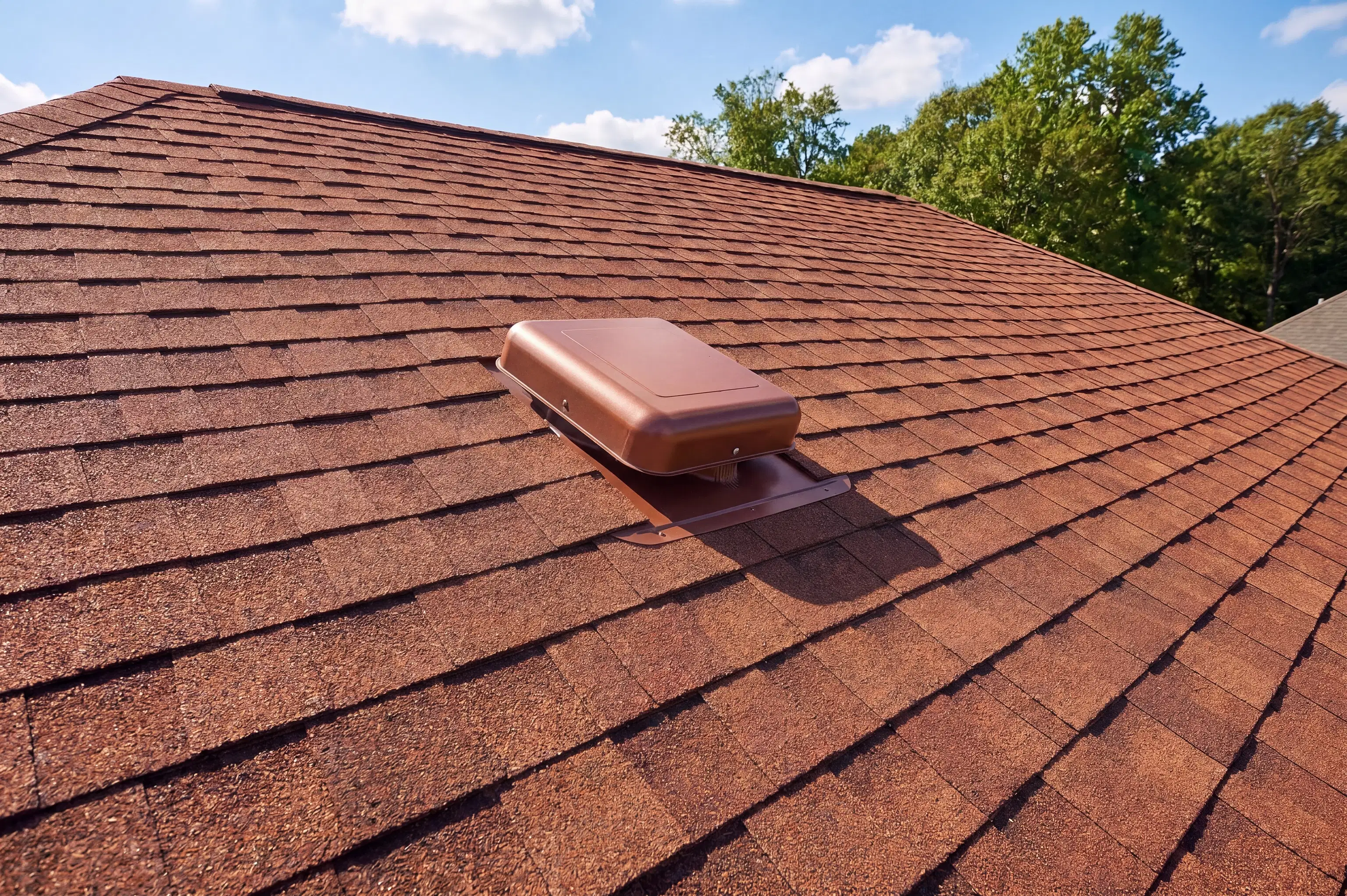
How Desert Heat Accelerates Asphalt Shingle Deterioration
Asphalt shingles are incredibly popular and durable, but they are constantly tested by our local climate. During the peak of summer, roof surface temperatures can soar far above the ambient air temperature. This intense, baking heat accelerates the aging process of the asphalt.
As the shingles heat up day after day, the volatile chemicals that keep them flexible begin to evaporate. This loss of flexibility makes the shingles brittle and far more susceptible to wind and rain. Understanding how desert heat accelerates asphalt shingle deterioration is the first step in proactive home maintenance. If your roof is aging and constantly exposed to direct sunlight without adequate ventilation, it will degrade much faster than a roof in a milder climate.
Identifying Asphalt Shingle Blistering and Granule Loss
One of the most common issues we see on local roofs is blistering. When trapped moisture or gas inside the shingle expands from the heat, it pushes outward, creating small, raised bumps or blisters on the surface. Eventually, these blisters pop, leaving the vulnerable asphalt underneath completely exposed to the elements.
Another clear indicator of severe sun damage is excessive granule loss. The tiny, sand-like granules on your shingles are there to protect the asphalt coating from UV rays and provide fire resistance. As shingles bake in the sun and become brittle, these granules loosen and wash away during rainstorms. If you notice a buildup of granules in your gutters or bald spots on your shingles, your roof's primary defense is failing. Identifying asphalt shingle blistering and granule loss early on is critical. If you are unsure what to look for, scheduling a professional roof inspection is a safe and reliable way to get a clear picture of your roof's health. At Sandflat Roofing, our detailed inspections always include comprehensive photos so you can see exactly what we see.
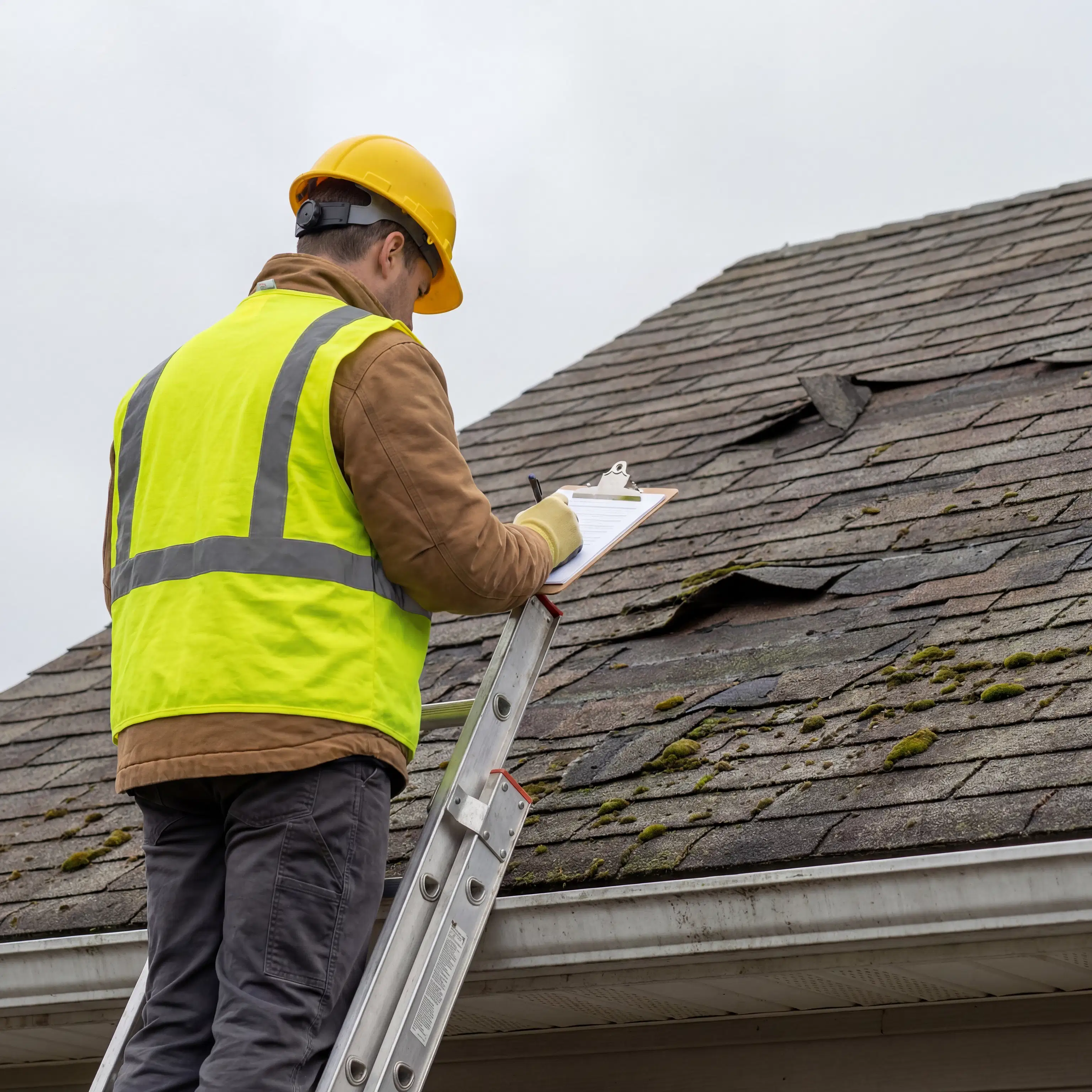
Signs of Thermal Cracking on Roof Shingles
Our desert environment is famous for its dramatic temperature swings. We can experience scorching heat during the day and surprisingly cool temperatures at night. This continuous cycle causes roofing materials to expand and contract repeatedly.
Over time, this constant movement puts immense stress on brittle, aging shingles, leading to thermal tearing or cracking. You might spot these signs of thermal cracking on roof shingles as thin, jagged lines running across the surface of the material. Once a shingle cracks, it loses its ability to shed water effectively, making your home highly vulnerable to leaks during sudden microbursts or seasonal storms.
When to Replace Sun Damaged Roof Shingles
Knowing exactly when to replace sun damaged roof shingles can be tricky, but waiting too long is a gamble. If you are noticing curled edges, widespread blistering, deep thermal cracks, or significant bald spots where granules used to be, your roof is likely nearing the end of its functional life.
It is highly recommended to address these issues long before the Monsoon season begins. Monsoon roof damage repair is common, but it's much better to prevent the damage entirely rather than dealing with unexpected leaks, interior water damage, and sudden spikes in emergency repair requests. By proactively upgrading a compromised roof, you ensure your home is fully sealed and protected against severe wind and torrential rain.
Protect Your Investment with Sandflat Roofing
Your roof is one of the most critical components of your home's structural integrity. If you suspect the desert sun has taken a toll on your shingles, don't wait for a leak to confirm your suspicions.
At Sandflat Roofing, we pride ourselves on honest communication, transparent proposals, and doing the job right the first time. We understand the unique challenges of roofing in Tucson, and we back our full asphalt shingle roof replacement projects with a solid 10-year workmanship warranty. If you're ready to secure your home against the elements, contact us today to schedule your comprehensive inspection.