
How to Make Your Roof Last Longer in the Sonoran Desert
The roof over your head does more than just keep the rain out; it’s your home's first line of defense against the elements. Here in the Sonoran Desert, that defense is tested daily by some of the harshest conditions imaginable. The relentless sun and the dramatic monsoon season present a unique set of challenges for any roofing material. For homeowners in the Tucson area, a common question isn't if their roof will need attention, but when—and how they can extend its life as long as possible.
Understanding what your roof is up against is the first step toward protecting your investment. This guide will walk you through the primary threats to your roof's longevity, the best materials for our climate, and the proactive steps you can take to ensure your roof provides decades of reliable protection.
The Twin Threats: Intense Sun and Powerful Monsoons
To maximize your roof's lifespan, you need to understand its two biggest adversaries: UV radiation and moisture.
1. Relentless UV Damage
The brilliant Arizona sun is a major draw for many, but it's incredibly tough on building materials. Over time, intense ultraviolet (UV) radiation breaks down the chemical bonds in roofing components. Asphalt shingles can become brittle and cracked, losing the protective granules that shield them. The underlayment beneath a tile roof, which is the primary water barrier, can become sun-baked and lose its flexibility, leading to cracks and leaks. This constant UV damage is the main reason roofs in our region often have a shorter lifespan than in more temperate climates.
2. The Monsoon Season Test
After months of dry heat, the arrival of the monsoon season brings a different kind of stress. Sudden, torrential downpours can overwhelm drainage systems, while high winds can lift shingles and tiles. These storms are the ultimate test for your roof's flashing, seals, and overall integrity. A small, pre-existing issue—like a cracked seal around a vent pipe—can quickly turn into a significant leak during a monsoon storm. This is why ensuring your roof is prepared before the storms roll in is absolutely critical.
Choosing Materials Built for the Desert
Not all roofing materials are created equal, especially when it comes to withstanding our climate. Selecting the right material is the most important decision you'll make for your roof's longevity and your home's energy efficiency.
-
Asphalt Shingles: A popular and cost-effective choice, modern architectural shingles are more durable than ever. For our climate, it's essential to choose shingles with high solar reflectivity ratings and robust UV protection. While they may not last as long as tile, a high-quality asphalt shingle roof replacement using the right products can provide excellent value and protection.
-
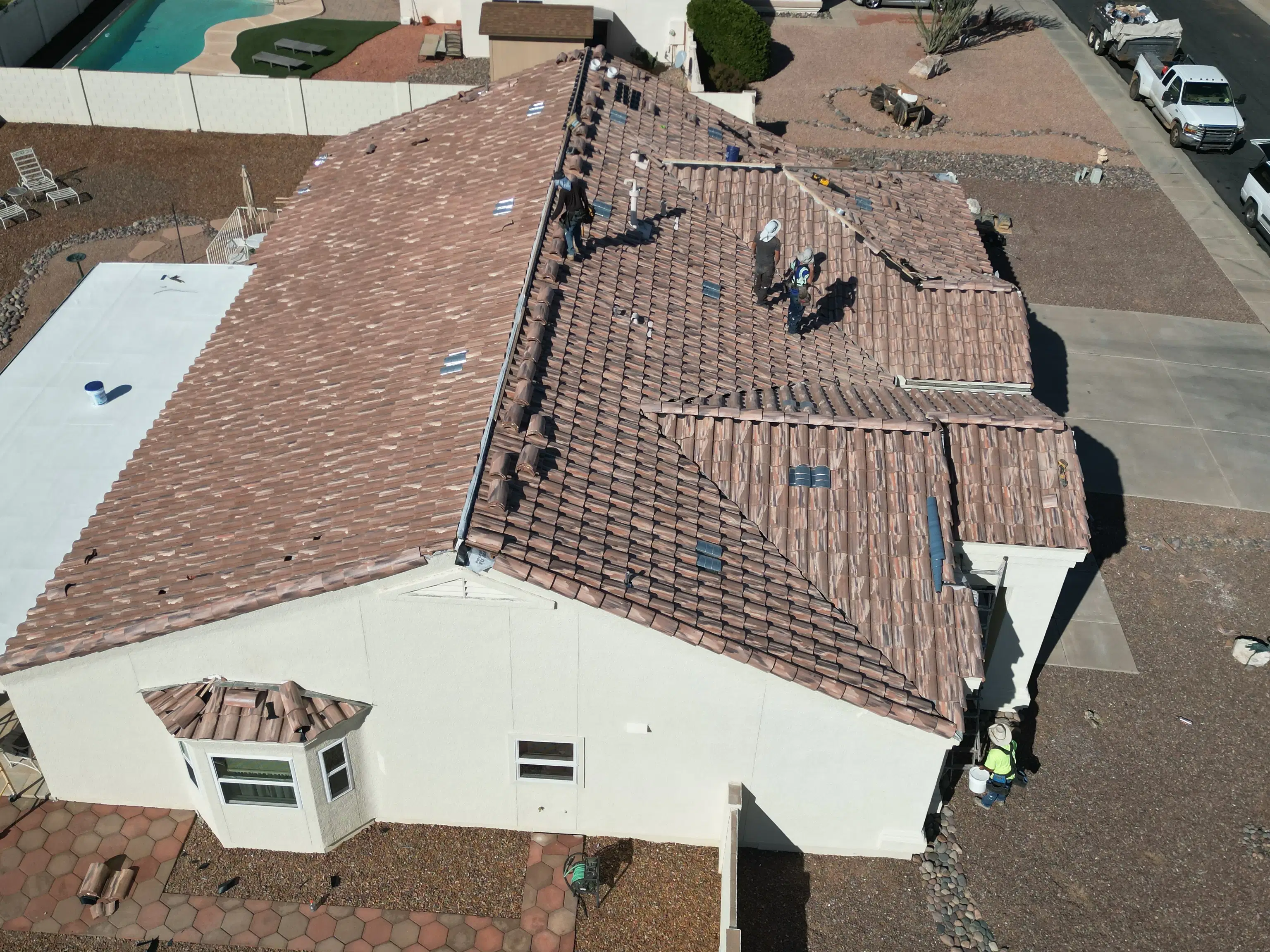
Clay and Concrete Tile: Tile is the iconic look of the Southwest for a reason. It's incredibly durable, fire-resistant, and can last 50 years or more. However, the tile itself is not the waterproofing layer; the underlayment beneath it is. Over time, this underlayment can degrade. A tile roof reset involves removing the existing tiles, replacing the old underlayment with a modern, high-performance version, and reinstalling the tiles. This process can essentially give your tile roof a new lease on life.
-
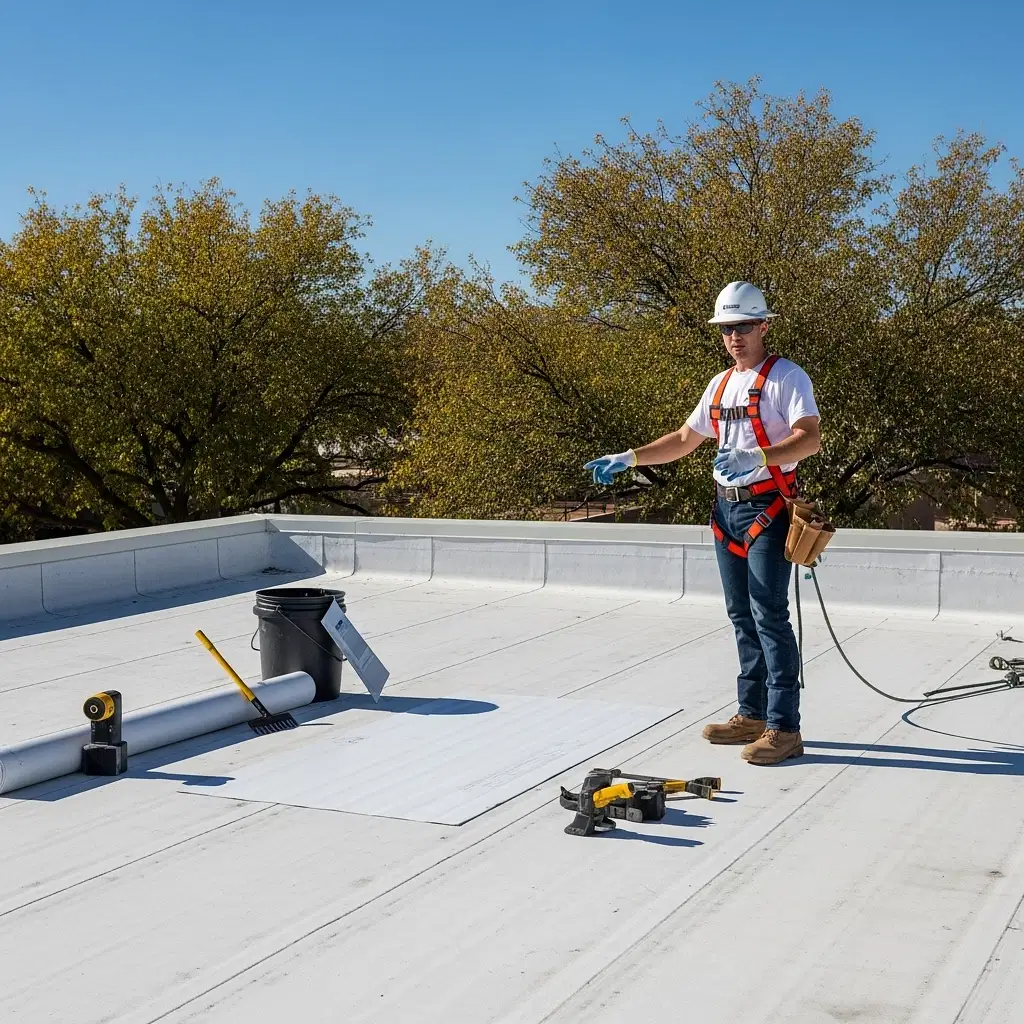
Flat Roofs: Common on many Tucson homes, flat roofs require a specialized approach. Reflective coatings are essential for these systems. Applying high-quality flat roof coatings not only seals the roof against moisture but also reflects a significant amount of solar radiation. This 'cool roof' technology keeps your home cooler, reduces energy bills, and protects the underlying roofing material from UV degradation.
The Power of Proactive Maintenance and Inspection
A new roof is a significant investment, and the best way to protect it is through regular, proactive maintenance. Waiting for a leak to appear means damage has already occurred. A preventative approach saves you money, stress, and extends the life of your roof.
While homeowners can perform basic visual checks from the ground, nothing replaces the value of a professional evaluation. An expert can identify subtle signs of wear and tear that an untrained eye might miss, such as failing seals around pipes, cracked underlayment visible in vents, or early signs of material fatigue. A comprehensive roof inspection every few years, especially before monsoon season, is one of the smartest things a homeowner can do.
At SandFlat Roofing, we believe a roof is more than just shingles or tiles; it's a complete system. We focus on ensuring every component—from the underlayment and flashing to the ventilation and drainage—is installed correctly to work together. This holistic approach is key to building a roof that can truly withstand the Sonoran Desert and protect your home for decades.
Protect Your Home for the Long Haul
Your roof faces a daily battle against intense sun and seasonal storms. By choosing the right materials, understanding the importance of the entire roofing system, and committing to proactive maintenance, you can significantly extend its lifespan. A durable, well-maintained roof not only protects your home and family but also enhances your property's value and energy efficiency.
If you have concerns about your roof's condition or want to explore the best options for long-term protection, the team at SandFlat Roofing is here to help homeowners throughout the Tucson area. We stand behind our work with a 10-year workmanship warranty because we build roofs to last. Contact us today to schedule a professional roof inspection and ensure your home is ready for whatever the desert sky has in store.