
Don't Let Monsoon Storms Damage Your Peace of Mind: A Homeowner's Guide
The summer rains are a welcome sight in Tucson, breaking the intense heat and bringing life back to the desert. But for homeowners, the powerful winds, driving rain, and hail that come with monsoon season can also bring a wave of anxiety. A strong roof is your home's first line of defense, and after a significant storm, it's crucial to know what to look for. Ignoring small issues can lead to much bigger, more expensive problems down the road. This guide will walk you through how to spot potential storm damage and what steps to take to protect your home and investment.
What to Look For After the Storm Passes
Once the weather has cleared and it's safe to go outside, a quick visual assessment of your property can reveal obvious signs of roof damage. You don't need to get on a ladder to spot these initial red flags—in fact, for your safety, you shouldn't. Here’s what to check from the ground:
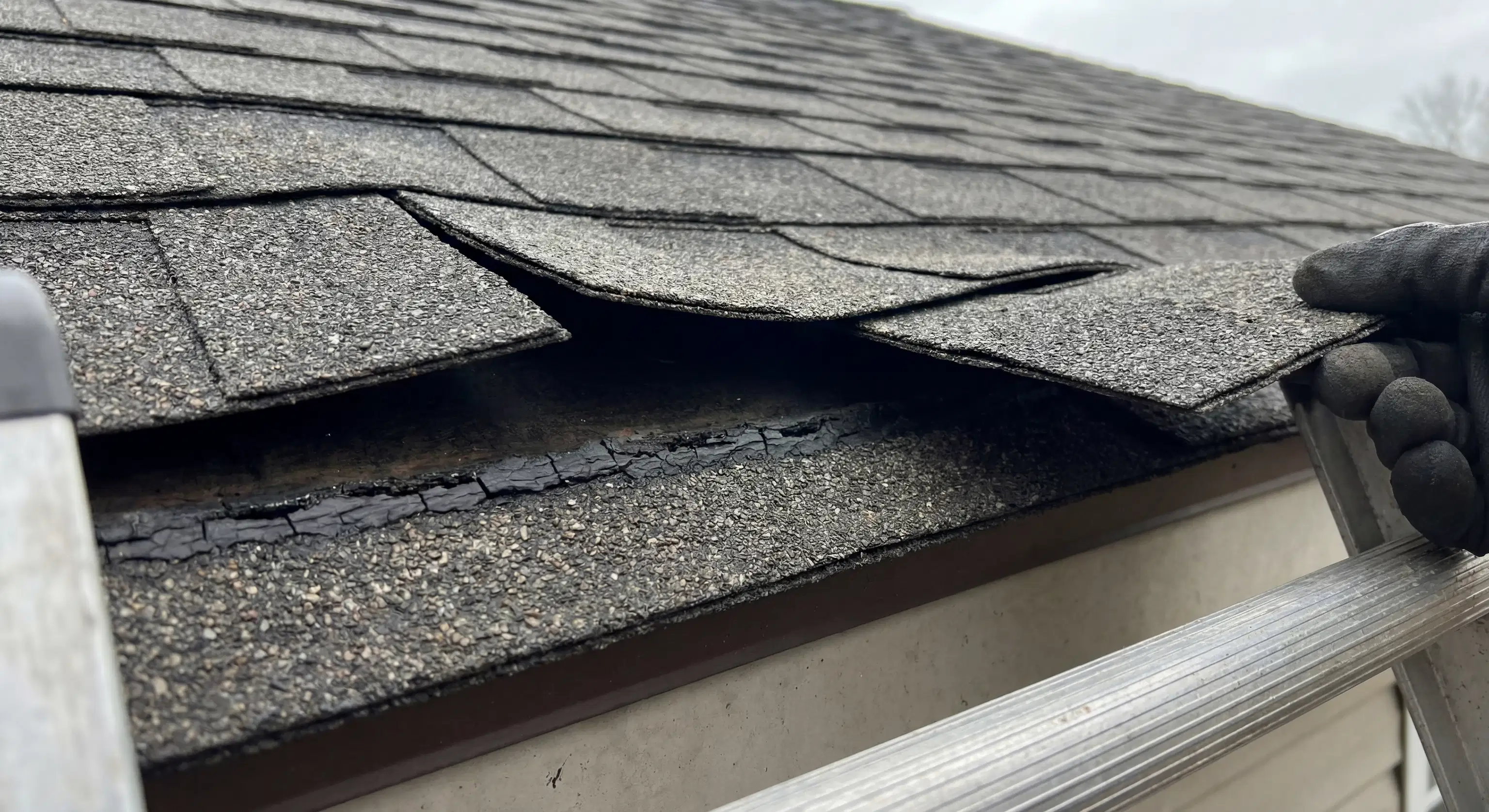
- Missing or Damaged Shingles: Look for shingles that are cracked, curled, or completely missing. High winds can easily lift and tear shingles away, leaving your roof's underlayment exposed.
- Bruised or Dented Shingles: Hail can leave dents or pockmarks on asphalt shingles, which compromises their protective granular coating. This type of damage can be subtle but significantly shortens the life of your roof.
- Cracked or Slipped Tiles: For tile roofs, check for any tiles that are cracked, chipped, or have slipped out of place. This is a common issue after a storm and can create a direct path for water to enter your home.
- Debris on the Roof: While leaves and small branches might seem harmless, larger limbs can cause significant impact damage. Any accumulation of debris can also trap moisture and lead to rot.
- Damaged Flashing and Vents: Check the metal strips around your chimney, vents, and skylights. If this flashing is bent, loose, or dented, it can break the watertight seal it’s designed to create.
It's also important to look for signs of trouble inside your home. Check your attic and ceilings for dark water stains, peeling or bubbling paint, or a musty smell. These are clear indicators that water has found its way in.
Why a Professional Inspection is Your Best Next Step
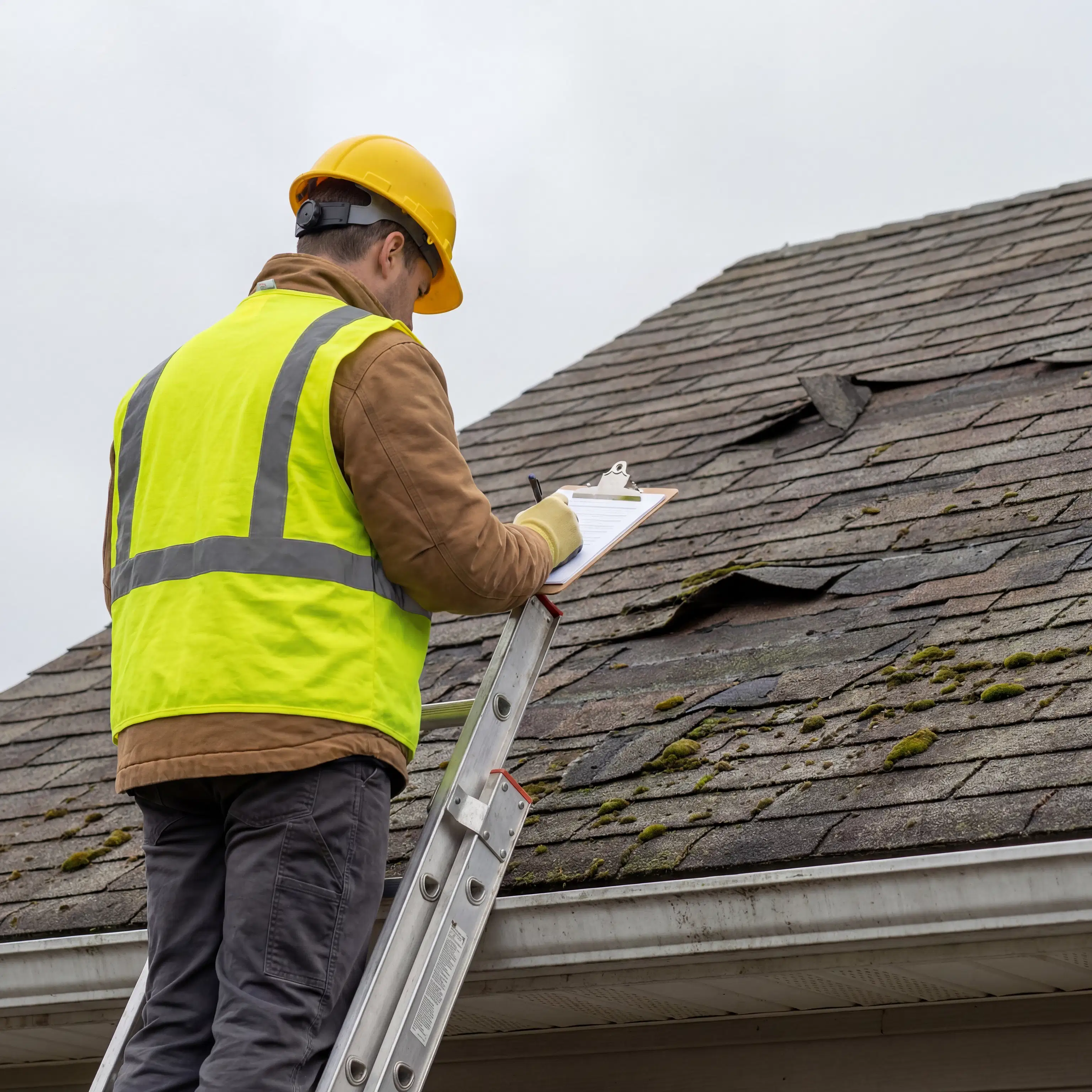
While a personal walkthrough is a great start, many types of storm damage are invisible to the untrained eye. Wind can lift shingles and break their seals without tearing them off, and hail can cause subtle bruising that only an expert can identify. This is where a professional roof inspection becomes invaluable.
At Sandflat Roofing, we take a comprehensive approach. We don't just look for a few missing shingles; we assess the entire roofing system. Our experienced team knows exactly how Tucson's unique weather—from the intense sun that can make materials brittle to the force of a haboob—affects different roofing materials. We use modern techniques, including drone technology where appropriate, to get a safe and precise look at every inch of your roof. This allows us to identify hidden issues and provide you with a clear, honest assessment of your roof's condition, complete with photos, so you can see exactly what we see.
Repair or Replace? Making an Informed Decision
One of the most common questions we hear is whether a roof needs a simple repair or a full replacement. The answer depends on several factors:
- The Age of Your Roof: If your roof is nearing the end of its expected lifespan, a full replacement might be more cost-effective than making extensive repairs that are only a temporary fix.
- The Extent of the Damage: If damage is isolated to a small area, a targeted roof repair is often sufficient. However, if the damage is widespread across more than 30% of your roof, a replacement is typically the better long-term solution.
- The Type of Damage: A few missing shingles can be easily fixed. But if the storm has compromised the underlying structure or the majority of the shingles have lost their protective granules, you may be looking at a full asphalt shingle roof replacement.
For tile roofs, sometimes the tiles themselves are fine, but the underlayment has been damaged or has aged past its lifespan. In these cases, a tile roof reset can restore your roof's integrity without the cost of all-new tiles. We provide transparent, detailed proposals that explain your options clearly, helping you make the best choice for your home and budget.
Protect Your Home with a Trusted Local Roofer
Your roof is too important to leave to chance, especially after a powerful monsoon storm. Being proactive and addressing damage quickly can save you from the stress and expense of interior water damage, mold growth, and structural issues. Don't wait for a small leak to become a major crisis.
If you have any concerns about your roof's condition after a recent storm, the team at Sandflat Roofing is here to help. We are a second-generation company built on honesty and accountability, and we're committed to protecting homes in the Tucson community. Contact us today to schedule a comprehensive inspection and get the peace of mind you deserve.