
A Homeowner's Guide to Maintaining Flat Roof Scuppers and Parapets
Southwestern architecture is iconic, and the flat, Pueblo-style roofs common in our neighborhoods are a major part of that charm. But while these roofs look beautiful against our local landscape, they face an incredibly unique set of environmental challenges. When you combine intense Sonoran Desert heat with the sudden, torrential downpours of the monsoon season, a flat roof has to work exceptionally hard to protect your home.
Because these roofs lack the steep slope of traditional roofing designs, they rely entirely on specialized drainage systems to keep water from accumulating. This is where your roof's scuppers and parapet walls become the unsung heroes of your property's defense system. If these elements are neglected, you might find yourself facing severe water damage after a summer microburst.
At Sandflat Roofing, we have seen firsthand how proactive maintenance can save homeowners thousands of dollars. By understanding how your flat roof functions and knowing what to look for, you can keep your home safe, dry, and structurally sound year-round in Tucson.
Understanding Your Flat Roof's Drainage System
To effectively maintain your roof, it helps to understand its basic components. A parapet is the low protective wall that runs along the outer edge of a flat roof. While it adds distinct architectural character and provides a barrier against wind, it essentially turns your roof into a shallow basin.
To prevent water from filling this basin, builders install scuppers. Scuppers are the essential drainage outlets cut directly through the parapet walls. They allow rainwater to flow off the roof and away from your home's foundation.
One of the most critical aspects of flat roof maintenance is preventing water pooling on flat roof parapet walls and the main roof deck. When water sits on a roof for more than 48 hours—often referred to as 'ponding'—it adds immense weight to the structure. Furthermore, the standing water slowly degrades the roofing materials. Over time, the intense sun bakes the standing moisture, accelerating the breakdown of sealants and increasing the likelihood of leaks. Addressing these vulnerabilities early with professional roof repair is much more manageable than dealing with water pouring into your living room.
The Importance of Clearing Clogged Roof Scuppers on Flat Roofs
During the dry months, it is incredibly easy to forget about your roof's drainage. However, the desert wind routinely blows dust, leaves, and debris across your property. Birds and pests also frequently find scuppers to be a convenient, sheltered spot to build nests.
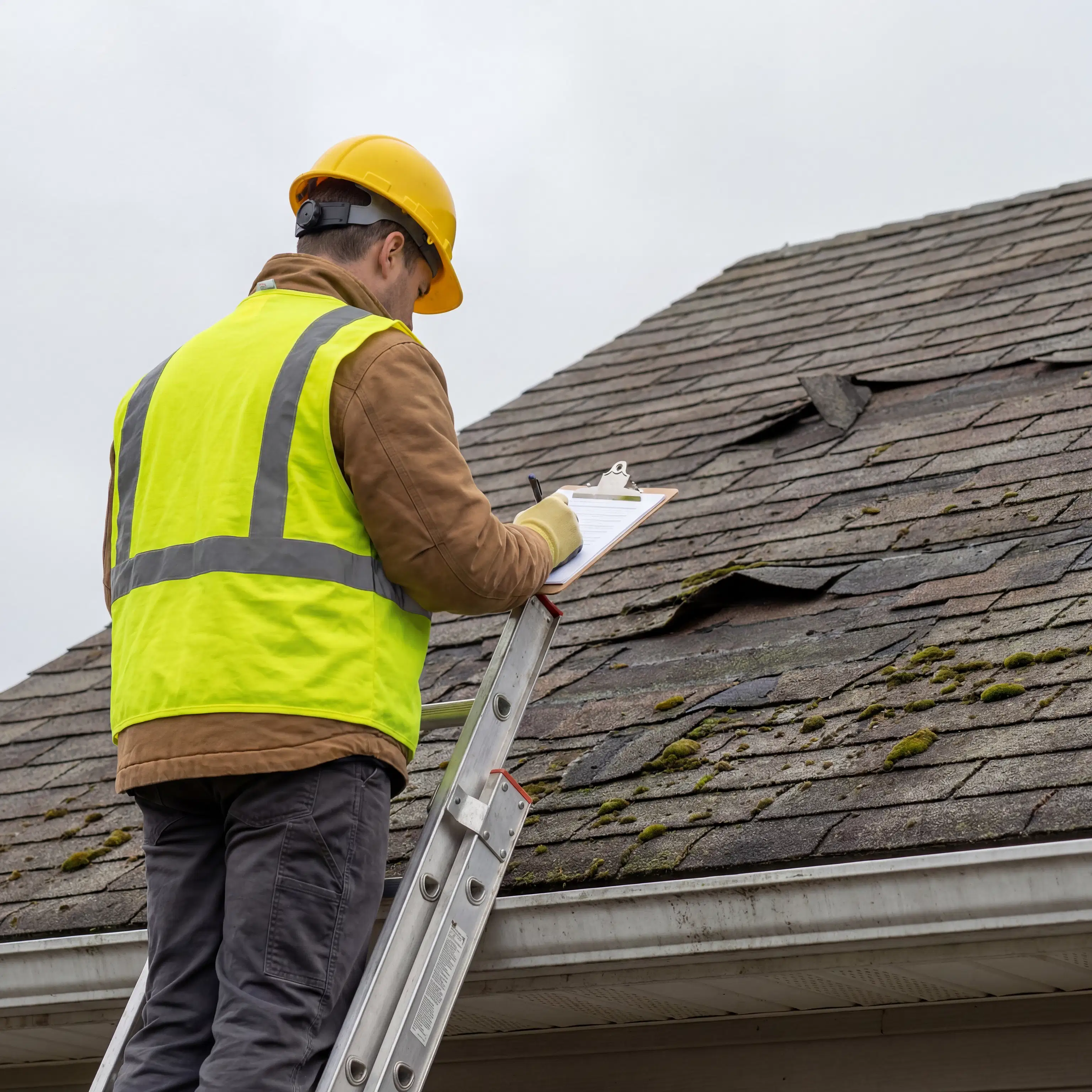
When heavy rains arrive, blocked scuppers cannot effectively channel water away. Clearing clogged roof scuppers on flat roofs should be a top priority before storm season begins. We highly recommend safely inspecting your roof's drainage outlets at least twice a year, paying special attention to the late spring right before the summer storms roll in.
If your home is surrounded by large trees, or if you regularly experience heavy dust storms, you may need more robust flat roof drainage solutions for heavy rainfall. Sometimes this involves widening the scuppers, installing primary and secondary drainage points, or ensuring your roof has an adequate slope directed toward the outlets. Upgrading your roof's surface can also drastically improve water flow. Applying a fresh elastomeric coating creates a seamless, watertight barrier that helps water glide easily toward the scuppers. If your roof is due for an upgrade, exploring our flat roof coatings is an excellent way to improve drainage and reflect intense heat away from your home.
Repairing Damaged Parapet Wall Roof Flashing
The most vulnerable area on any flat roof is the junction where the horizontal roof deck meets the vertical parapet wall. To protect this seam, roofers install flashing—a transition material that seals the corner and prevents water intrusion.
Unfortunately, this area takes a beating from the elements. The daily cycle of extreme heat and cooler desert nights causes roofing materials to expand and contract. Over time, this constant movement can cause flashing to pull away from the wall, crack, or completely fail. Repairing damaged parapet wall roof flashing requires specialized knowledge of regional materials and techniques. It is not a simple patch job; it requires carefully removing the damaged sections, installing new transition materials, and seamlessly tying them into the existing roof system.
If the damage to your parapet flashing is extensive, or if the underlying materials have been compromised by prolonged water pooling, patching may no longer be a viable solution. In these cases, a complete flat roof replacement is often the safest and most cost-effective long-term choice. At Sandflat Roofing, we approach full replacements with a comprehensive view of the entire system—improving ventilation, ensuring proper drainage angles, and utilizing materials designed to withstand the harsh local climate. We also back our full replacements with a 10-year workmanship warranty, giving you peace of mind long after the out-of-state storm chasers have left town.
Get Ready for the Next Storm
Maintaining a flat roof in Southern Arizona doesn't have to be a source of constant stress. By keeping an eye on your scuppers, ensuring your parapet walls are properly sealed, and addressing minor flashing issues before they escalate, you can significantly extend the lifespan of your roof.
Don't wait for a storm to reveal hidden drainage issues. If you have concerns about your roof's ability to handle the weather, the team at Sandflat Roofing is here to help. From thorough roof inspections and targeted roof repair to complete flat roof coatings and full roof replacements, we have the local expertise to protect your investment. Reach out to us today via our contact page to schedule a professional assessment of your Tucson home, and let us help you achieve a higher standard of certainty.